At System Equine, we believe in an informed and proactive approach to horse health. That’s why we believe that the quality of the water they drink is so important.
Water is the single most important nutrient a horse consumes—and it’s also the one most often taken for granted. Horses can survive weeks without feed, but only days without adequate water. Yet many hydration issues don’t start with the horse; they start with the water source, water quality, and the waterer itself.
At System Equine, we’ve seen water-related issues show up as colic risk, loose manure, poor performance, frozen lines, damaged waterers, and frustrated barn managers. Below is a practical breakdown of the most common water quality problems, how they affect horses, and what you can do about them.
1. Poor Palatability: “The Water’s Clean… But They Won’t Drink It”
The Problem
Horses are extremely sensitive to taste and smell. Even when water is technically safe, high mineral content, chlorine, sulfur odor, or stagnant water can reduce intake. Drinking enough water is crucial to their health, as discussed in this helpful article.
Low intake leads to:
- Dehydration
- Increased risk of impaction colic
- Reduced feed digestion
- Lower performance and recovery
Common Causes
- High Total Dissolved Solids (TDS)
- Iron or sulfur in well water
- Chlorinated municipal water
- Biofilm buildup in bowls or troughs
Best Practices
- Test water annually (especially well water)
- Keep bowls and troughs scrubbed regularly
- Ensure water is fresh and moving—not stagnant
- Avoid slow-filling waterers that frustrate horses
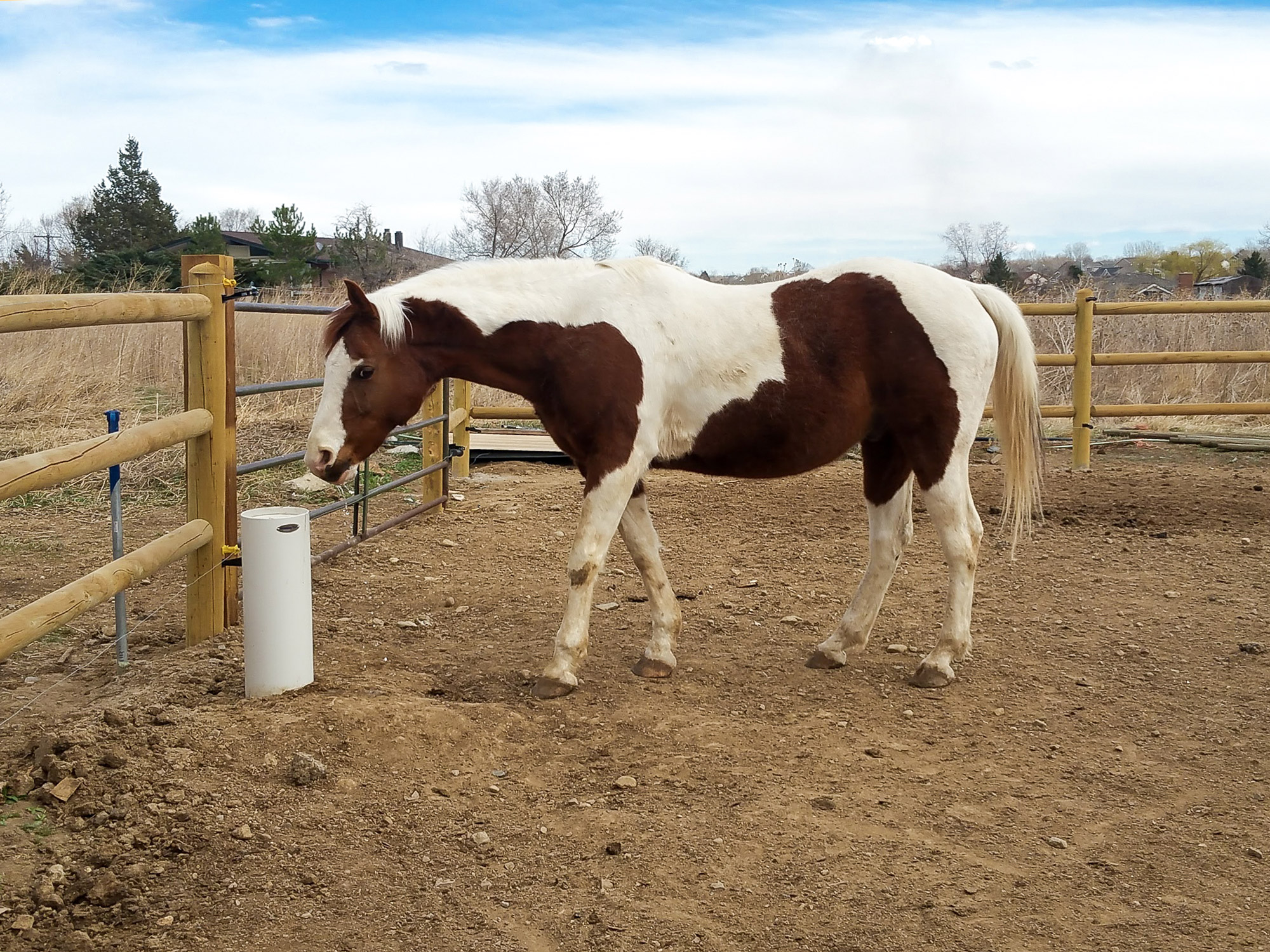
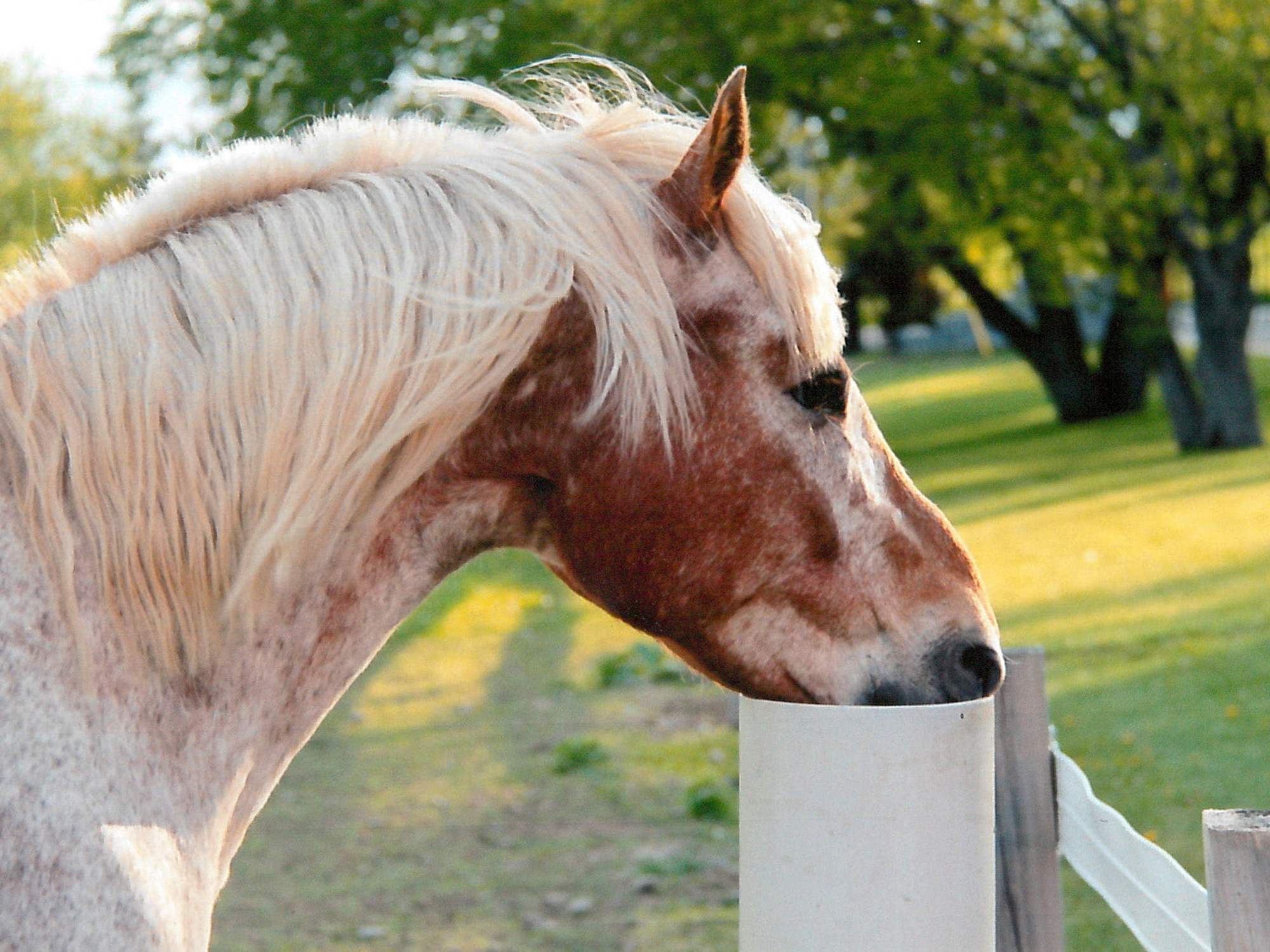
There are many top-tier automatic waterers to choose from. Our team of experts at System Equine can walk you through the many options available to you, including the Drinking Post.
2. Sediment & Dirty Water: The Silent Equipment Killer
The Problem
Sediment—sand, silt, rust, or scale—does more than make water look dirty. It destroys valves, clogs lines, sticks floats, and shortens heater life.
We routinely see:
- Waterers overflowing due to stuck valves
- Burnt-out heating elements
- Constant service calls that trace back to sediment
Where It Comes From
- Wells (especially shallow or sandy formations)
- Old plumbing
- Iron-heavy water sources
- Seasonal runoff entering systems
Best Practices
- Install sediment filtration upstream of waterers
- Flush lines after plumbing work or seasonal start-ups
- Choose waterers with protected, serviceable valve systems
- Avoid designs that trap debris in hard-to-clean corners
3. High Minerals & TDS: When “Natural” Isn’t Always Better
The Problem
Total Dissolved Solids (TDS) measure the overall mineral load in water. While some minerals are harmless, high TDS reduces palatability and may contribute to digestive upset.
Typical effects:
- Reduced water intake
- Loose manure (especially with high sulfates)
- Long-term stress on kidneys in extreme cases
What’s Considered Acceptable
- Under ~1,500 ppm: generally very good
- 1,500–3,000 ppm: usually acceptable, monitor intake
- Above ~6,500 ppm: intake often drops; not recommended
Best Practices
- Test wells regularly
- Address iron, sulfur, or hardness with appropriate treatment
- Monitor horses closely when switching water sources
4. Bacteria & Biofilm: Clean Water Isn’t Just Clear Water
The Problem
Even clear water can harbor bacteria. Biofilm—the slippery coating inside bowls and pipes—creates a perfect environment for microbial growth.
Risks include:
- Coliform bacteria contamination
- Reduced palatability
- Increased disease transmission in group housing
High-Risk Situations
- Surface water sources (ponds, dugouts)
- Poorly maintained troughs
- Infrequently cleaned automatic waterers
Best Practices
- Scrub bowls and troughs regularly
- Design systems that allow easy draining and cleaning
- Use UV treatment where bacterial contamination is a concern
- Never allow horses direct access to algae-prone ponds
5. Water Temperature: Does It Really Matter? (Yes.)
The Problem
Horses drink less when water is too cold or too warm. In winter especially, cold water leads to chronic under-hydration, even when water is available.
What Horses Prefer
Research and field experience show horses drink best when water is:
- Cool but not cold
- Approximately 10–18°C (50–65°F)
This is very close to typical ground-temperature well water, which is ideal.
Seasonal Guidance
- Winter: Slightly warmed water increases intake and reduces colic risk
- Summer: Cool, fresh water encourages consistent drinking
- Avoid extremes at both ends
Best Practices
- Use insulated, heated waterers in cold climates
- Avoid frozen or near-freezing water
- Ensure heaters are protected from scale and sediment
6. Surface Water & Algae: High Risk, High Maintenance
The Problem
Ponds and dugouts can develop blue-green algae (cyanobacteria), which can be fatal to horses in small amounts.
Warning Signs
- Green scum or mats on water surface
- Warm, still weather
- Sudden illness or death in livestock
Best Practices
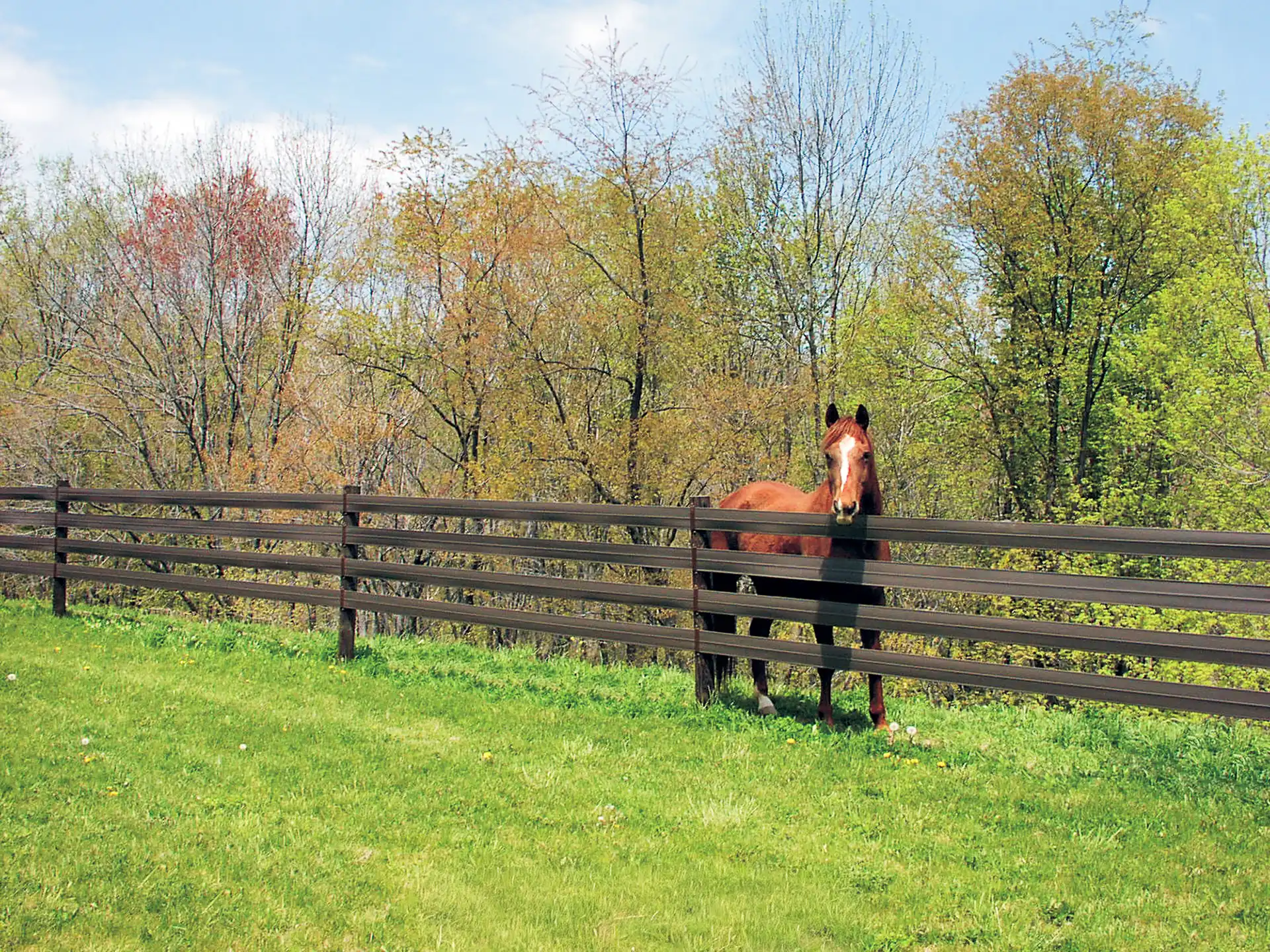
- Fence horses away from surface water
- Pump water to controlled troughs or waterers
- Monitor frequently during summer months
- When in doubt, don’t use it

Why the Waterer Itself Matters
A good water source can still fail horses if the delivery system is poor.
The best waterers are designed to:
- Deliver water quickly (high flow rate)
- Stay clean with smooth, easy-to-scrub surfaces
- Protect valves from sediment and freezing
- Maintain consistent temperature year-round
- Be serviceable without tearing apart the stall
In short, a reliable waterer protects both the horse health and the barn investment.
Final Takeaway
Water problems don’t always announce themselves loudly. More often, they show up as:
- A horse that “just isn’t drinking much”
- Repeated plumbing issues
- Seasonal colic spikes
- Higher maintenance costs than expected
By understanding your water source, testing regularly, and choosing the right waterer and plumbing design, you protect horse health, reduce headaches, and build a better barn.
At System Equine, we believe good barn design starts with the basics—and nothing is more basic, or more critical, than water. For more information, contact us today.