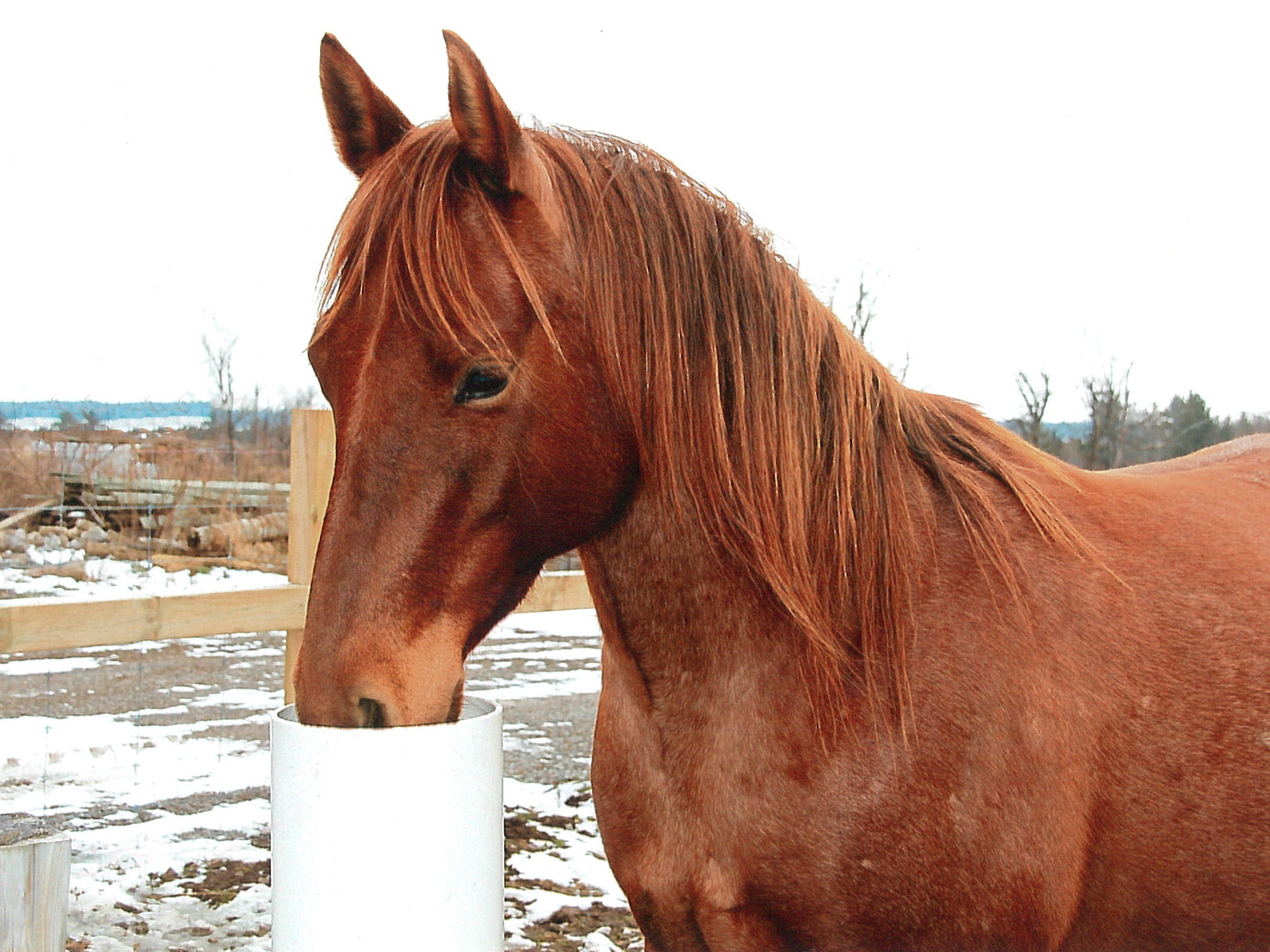
Everything You Need to Know About Livestock Watering Systems
Ensuring livestock have constant access to fresh, clean water is one of the most important responsibilities for any barn owner or farmer. Proper hydration is directly linked to animal health, growth, reproduction, and performance.
From horses in private stables to cattle herds in pastures, goats, sheep, alpacas, donkeys, and even backyard chickens—every animal thrives when watering systems are reliable, frost-free, and low-maintenance.
At System Equine, we supply a wide range of watering solutions including Drinking Post waterers, Nelson, push to drink, float valve and heated systems, making us a trusted partner for barns, farms, and equestrian facilities across North America.
This guide covers everything you need to know about livestock watering systems—pros, cons, costs, and installation tips—so you can choose the right solution for your animals.
Table of Contents
- Why Water Matters for Livestock Health
- Common Problems with Buckets and Troughs
- Automatic Waterers: A Modern Solution
- Drinking Post Waterers: The Frost-Free Advantage
- Other Watering Options: Nelson, Ritchie, Miraco, Heated Systems
- Livestock Applications: Horses, Cattle, Sheep, Goats, and More
- Installation Considerations: Climate, Frost Lines, and Barn Design
- 10-Year Cost and Labor Savings
- Key Takeaways About Livestock Watering Systems
- Next Steps with System Equine
- FAQs About Livestock Watering Systems
Why Water Matters for Livestock Health
- Horses: A 1,200 lb horse drinks 25–40 liters daily; dehydration increases colic risk.
- Cattle: Dairy cows can consume up to 150 liters a day; milk production depends on water intake.
- Sheep & Goats: Smaller animals, but consistent water access is critical for growth and reproduction.
- Alpacas & Llamas: Require fresh water for digestion; stagnant sources can lead to parasite issues.
- Donkeys & Mules: Often overlooked, but need consistent hydration for digestive and hoof health.
- Poultry: Chickens may drink up to 500 ml per bird per day; clean systems prevent bacterial spread.
Bottom line: Every species depends on water quality and consistency. Buckets and troughs often fail to deliver both.
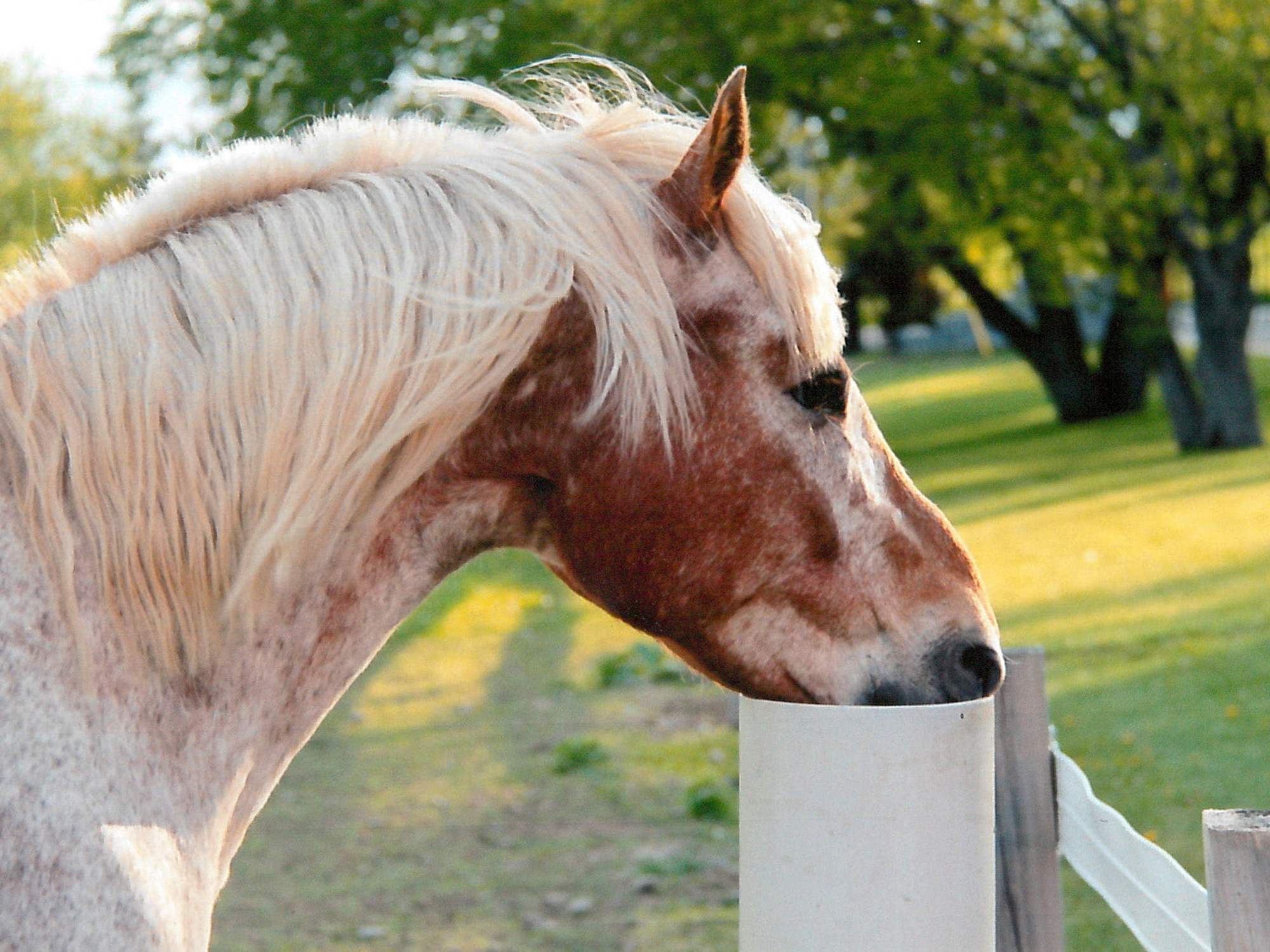
Common Problems with Buckets and Troughs
- Labor-intensive: Constant filling, dumping, and scrubbing.
- Freeze in winter: Require heated buckets or costly trough heaters.
- Contamination: Animals drop hay, manure, and bedding into open water.
- Algae growth: Sunlight exposure promotes algae, especially in cattle troughs.
- Spillage and waste: Horses tip buckets; cattle step into troughs.
- Hidden costs: Electricity, wasted water, and labor hours add up to thousands per year.
Automatic Waterers: A Modern Solution
Why barns and farms are switching:
- Provide fresh water on demand for horses, cattle, sheep, goats, alpacas, poultry, and more.
- Labor savings: No daily filling or scrubbing.
- Frost-free options: Drinking Post and similar systems drain below frost line.
- Cleaner barns and pastures: No standing water means less algae and fewer mosquitoes.
- Customizable setups: One waterer per stall or shared units for groups in pastures.

Drinking Post Waterers: The Frost-Free Advantage
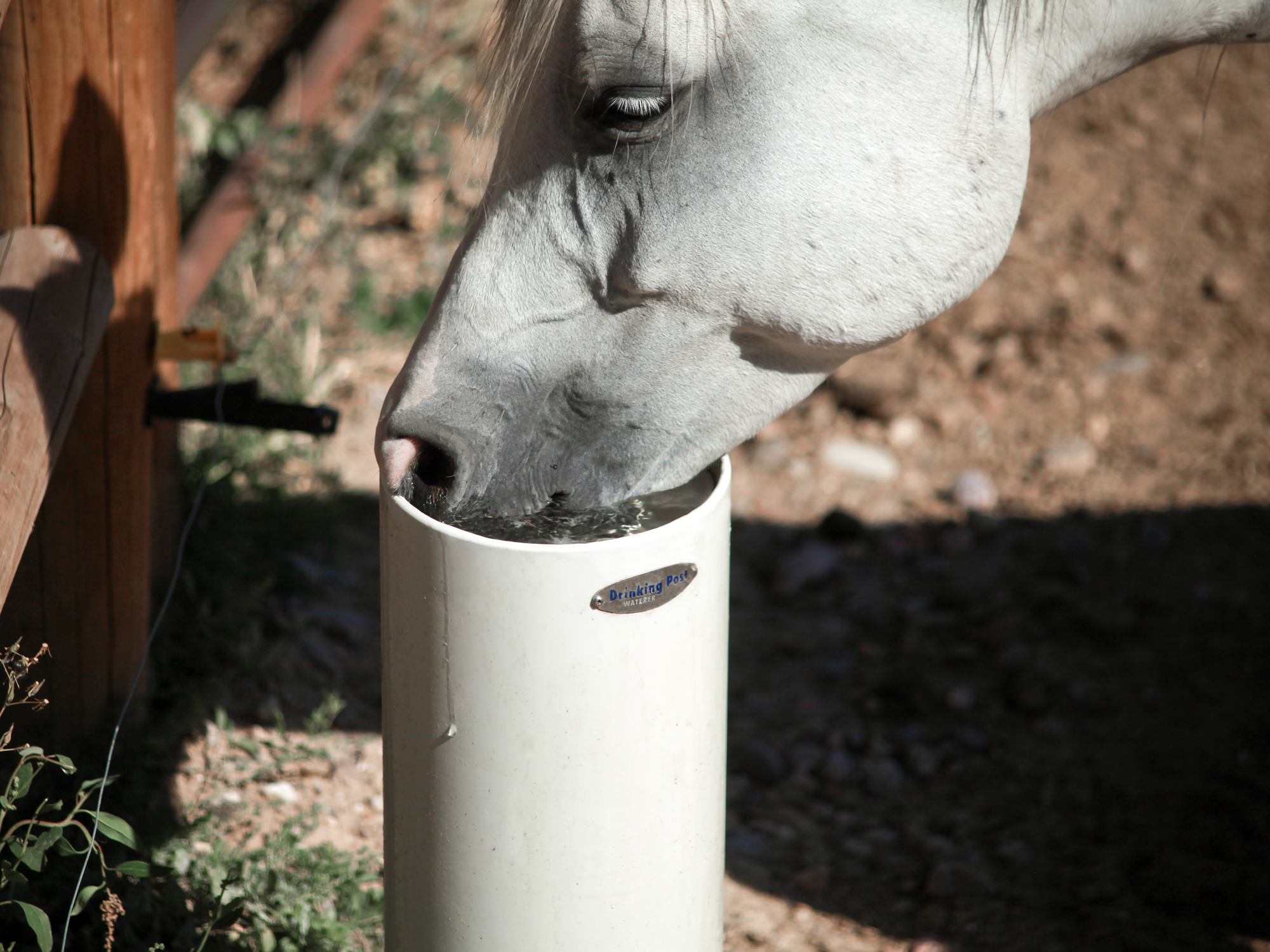
The Drinking Post is one of the most popular automatic systems we sell.
- Push-paddle design: Animals press the paddle for fresh water.
- Self-draining: Any unused water drains below the frost line—no standing water.
- No electricity required: Works without heaters, even at –50°C.
- Species versatility: Horses, cattle, donkeys, and even goats learn quickly to use it.
- Labor savings: Eliminates scrubbing buckets and algae-filled troughs.
👉 System Equine is a certified supplier of Drinking Post and Nelson waterers and can provide installation and installation guidance for barns, paddocks, and pastures.

Other Watering Options: Nelson, Ritchie, Miraco, Heated Systems
- Nelson Waterers: Heavy-duty stainless steel, great for horses and cattle in barns or paddocks.
- Ritchie & Miraco: Field-proven heated waterers, ideal for large herds and pastures.
- Heated Buckets & Trough Systems: Traditional approach for barns that want a simple solution with power supply available.
At System Equine, we stock and service multiple brands, ensuring you get the right waterer for your climate, herd size, and budget.
Livestock Applications: Horses, Cattle, Sheep, Goats, and More
- Horses: Individual stall waterers or paddock posts keep water clean and reduce bedding waste.
- Cattle: Pasture-ready trough replacements with frost-free designs save electricity and labor.
- Sheep & Goats: Smaller troughs freeze fast—automatic waterers ensure year-round supply.
- Alpacas & Llamas: Self-draining systems prevent parasites linked to stagnant water.
- Donkeys & Mules: Reliable hydration systems support digestive and hoof health.
- Poultry: Specialized automatic systems or adapted small-drinker setups keep flocks healthy.
Installation Considerations: Climate, Frost Lines, and Barn Design
- Cold climates: Install water lines below frost depth (Drinking Post eliminates need for heaters).
- Barn vs. pasture: Choose stall-mounted models for individual horses or larger systems for cattle and herds.
- Water line access: Plan plumbing routes during barn builds or retrofits.
- Electric vs. non-electric: Decide if frost-free gravity systems (Drinking Post) or heated models (Ritchie, Miraco) fit your needs.
10-Year Cost and Labor Savings
| Watering System | Upfront Cost | Labor & Upkeep (10 Years) | Electricity/Water Waste | Total 10-Year Cost (Per Animal) |
| Buckets | $20–$40 | $15,000+ (daily labor) | High | $15,500+ |
| Troughs | $150–$500 | $12,000+ (scrubbing, dumping) | $3,000–$5,000 (heaters) | $15,000–$17,000 |
| Automatic Waterers | $1,200–$2,000 | Minimal (occasional cleaning) | $0–$500 (depending on model) | $1,500–$2,500 |
Result: Across species, automatic waterers save $13,000–$15,000 per animal over 10 years compared to buckets and troughs.
Key Takeaways About Livestock Watering Systems
- Buckets and troughs: Cheap upfront but expensive in labor, electricity, and water waste.
- Automatic waterers: Provide fresh, clean, frost-free water year-round with minimal maintenance.
- System Equine: Offers Drinking Post, Nelson, and heated systems to cover horses, cattle, sheep, goats, alpacas, donkeys, and even poultry.
Next Steps with System Equine
✅ Request a Quote — Get a personalized watering plan for your livestock.
✅ Compare Options — Drinking Post, Nelson, and more.
✅ Talk to Our Experts — We design systems for barns, farms, and multi-species setups.
👉 Ready to keep your animals hydrated year-round? Request a Quote from System Equine today!
FAQs About Livestock Watering Systems
- Do automatic waterers work for all animals?
Yes. Horses, cattle, donkeys, goats, sheep, and even alpacas adapt quickly. Poultry requires specialized models. - Do Drinking Posts freeze in winter?
No. They self-drain below frost line, even at –50°C, without electricity. - How much do automatic waterers cost?
Most systems cost $1,200–$2,000 installed but save $10,000+ in labor over 10 years. - Do animals need training to use automatic waterers?
Most learn within minutes. System Equine provides tips for easy transitions. - What’s the best waterer for large cattle herds?
Nelson heated models are ideal for large herds; Drinking Posts are perfect for paddocks. - Can goats and sheep use Drinking Posts?
Yes, smaller livestock quickly learn to press the paddle. - Do automatic waterers require electricity?
Some do (heated models), but Drinking Post does not—it’s completely frost-free without power. - What if you have a high water table? The drinking post in a deep frost area will not work. The water will not drain all the way from the bowl and the waterer may freeze in very cold temperature. In this case switch to a Nelson heated waterer.
- How much water does a horse drink per day? A horse drink about 5-10 gallons of water each day, but this amount can rise to as high as 20 gallons or more during warmer weather, vigorous exercise, or lactation. For more information, read our helpful guide!
For more information, read our general FAQs or contact us today!