Post Pounding for Farm and Horse Fencing: Why It Is the Right Method, and How It Works in Real-World Conditions
When it comes to building a fence that will last decades — not years — the method you use to set your posts matters as much as the posts themselves. At System Equine, post pounding is our standard installation method on virtually every agricultural and horse fencing project we build. Here is why that decision matters for your property, your horses, and your long-term investment.
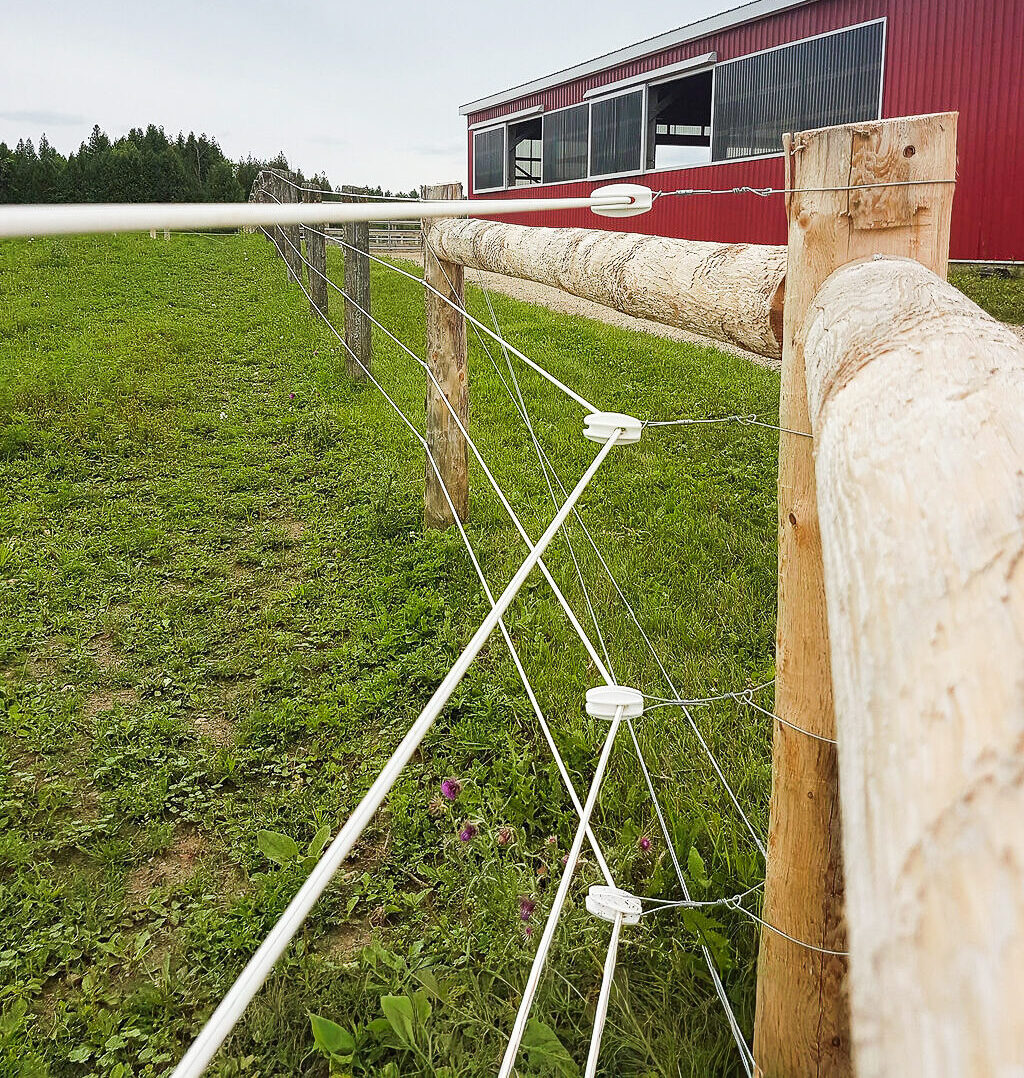
What Is Post Pounding?
Post pounding — also called mechanical post driving — uses a purpose-built driver to hammer fence posts directly and forcefully into undisturbed native soil. Unlike augering a hole and backfilling, the post is driven through the earth, compressing the surrounding soil as it goes. The result is a post gripped from all sides by dense, tightly packed ground rather than disturbed backfill or concrete that can crack and heave.
Types of Post Drivers
Not all post drivers work the same way. There are three primary types used in professional agricultural and equine fencing:
- Hydraulic post drivers use oil pressure from the carrier machine to deliver high-frequency, high-force hammer blows. They are fast, consistent, and handle a wide range of post sizes and soil conditions. This is the most common driver type on professional farm fence crews.
- Nitrogen-filled (gas-powered) hammer drivers store compressed nitrogen gas that releases in a controlled burst to drive the post. They deliver exceptional impact energy and are particularly well-suited to harder ground or larger timber posts where raw force matters most.
- Drop drivers (gravity drivers) use a heavy weighted ram raised mechanically or hydraulically and dropped onto the post. Simple, reliable, and effective for smaller diameter posts in moderate soil conditions, they are often seen on lighter-duty or rural installations.
What the Driver Mounts On
Post drivers are mounted on the machine best suited to the terrain and scope of the project. A skid steer provides excellent manoeuvrability in tight paddocks, around existing structures, and along irregular fence lines. A tractor-mounted driver covers long open fence lines efficiently and handles larger posts with ease. On specialized or large-scale projects, a purpose-built post driving vehicle integrates the driver, frame alignment system, and carrier into a single machine optimized entirely for the task. The right carrier choice is part of doing the job properly — equipment matched to the job is not a small detail.
The Key Advantages of Post Pounding
Straighter Fence Lines
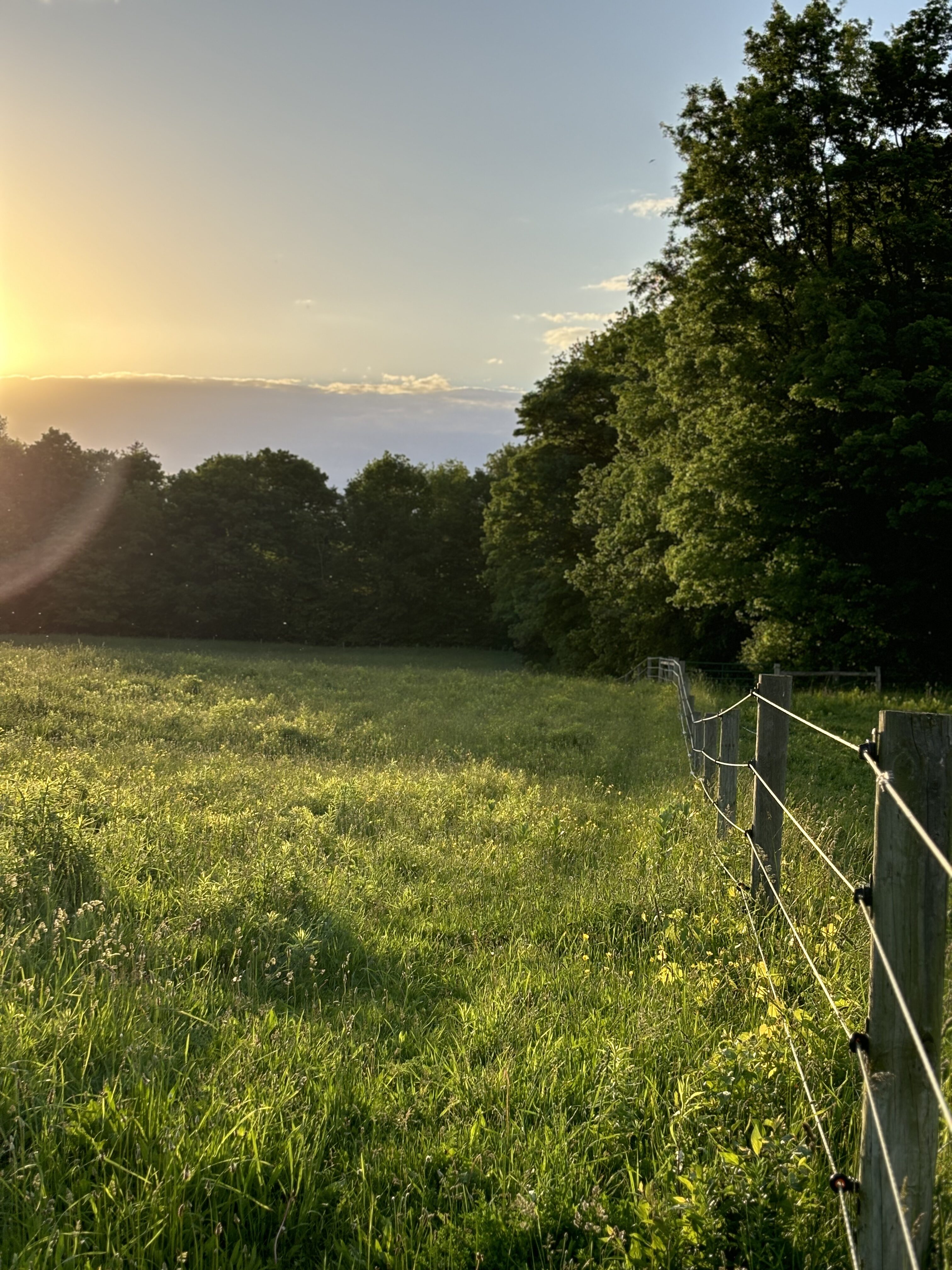
A properly operated post pounder drives posts with precision and consistency. When the driver is set up in a straight line and the operator is experienced, the result is a fence that runs true from end to end. There is no digging, no guesswork in backfilling, and no post that “leans” over time because the soil around it was loosened during installation.
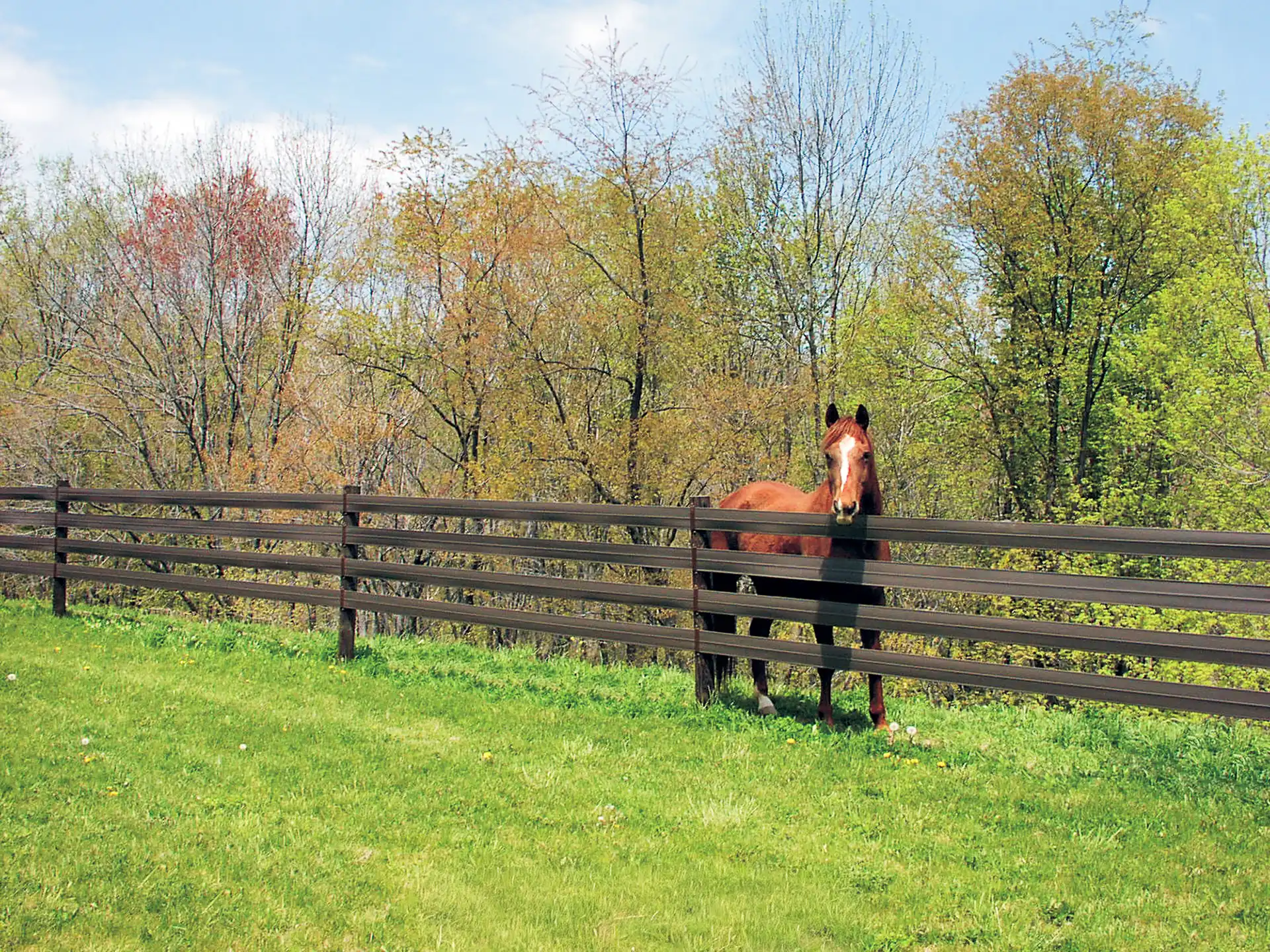
For horse owners and farm operators, a straight fence line is not just an aesthetic preference — it reflects the quality and care of the build. It also makes running rail or wire far more consistent, reducing stress points and improving the overall structural integrity of the fence.
Stronger, More Secure Posts
When a post is pounded into the ground, the surrounding soil is compressed outward and downward by the driving action. This creates a densely packed column of earth around the post that grips it from all sides. The post becomes part of the ground.
Compare that to an augered hole that is backfilled by hand or even with concrete. Backfill — no matter how well tamped — is disturbed soil. It lacks the density and lateral friction of undisturbed ground. Over time, backfilled posts are more prone to movement, heaving, and loosening. Pounded posts resist lateral pressure from animals, equipment, and weather far more effectively.
For horse fencing specifically, this matters enormously. A horse leaning on a fence, or a group of horses pushing against a corner, will quickly find a weak post. Pounded posts simply perform better under load.
What About Rocky Ground?
This is one of the most common questions we hear on farm fence projects, particularly here in Ontario where glacial till and buried rock shelves can appear anywhere. The honest answer may surprise you: in most cases, the post driver pushes right through.
A hydraulic or nitrogen-charged post driver delivers thousands of pounds of impact force with each blow. Small to medium-sized rocks that would stop a hand tool or break an auger bit are frequently driven through or displaced by the concentrated energy of the pounding action. Gravel, shale fragments, and loose rock layers are especially manageable. What would be a half-day augering problem often becomes a few minutes with a mechanical driver.
When solid bedrock or an immovable boulder is encountered, the operator identifies it quickly and the fence line is adjusted accordingly. No wasted auger bits, no broken equipment, no compromised post holes that must be filled and re-dug. The ground tells you clearly and fast what it will accept. If you need the fence were solid bedrock is you will need to auger a hole and concrete on top of the rock. Or rent a AirTrack auger that will auger into solid rock.
When the Ground Is Too Hard to Drive Directly: The Auger-and-Drive Method
In drier seasons or in ground that has baked down hard through drought, clay compaction, or dense subsoil, a direct drive is sometimes not practical. The post resists penetration even under maximum driver force, and pushing through risks splitting the post or throwing the line.
In these conditions, we use what is called the auger-and-drive method. We auger a pilot hole get through the hardest layer or break the surface tension of the compacted zone. Then we drive the post into that pilot hole with the mechanical driver.
The result is the best of both methods. The auger breaks the resistance; the driver does the rest, compressing the soil around the post as it seats. You retain the structural advantage of a pounded post — compressed native soil contact on all sides — rather than ending up with a loose backfilled hole. This technique is a mark of an experienced crew that knows how to read the ground and adapt without compromising the finished product.
Do the Posts Need to Be Sharpened?
In the vast majority of installations, no — the posts do not need to be sharpened before driving. A straight-cut post drives cleanly in most soil types. The impact energy of the driver is sufficient to penetrate normal agricultural ground without any modification to the post tip.
There are exceptions. In particularly hard, compacted, or rocky ground where the post is resisting penetration, sharpening the post end can help. When we sharpen, we do not cut a single angled point — we sharpen all four sides of the post to create a four-sided spike. This distributes the entry force evenly and prevents the post from deflecting to one side as it drives, which is critical for maintaining that straight, plumb installation.
A single-side cut or off-centre point will cause the post to walk as it drives, throwing your line off. The four-sided spike eliminates that problem entirely.
Why Post Pounding Outperforms Other Installation Methods
- Posts are set in compressed, undisturbed soil — stronger lateral resistance than any backfilled or concreted hole
- Fence lines are straighter and more consistent post to post when driven by an experienced operator
- Installation is significantly faster than augering and concreting, reducing labour cost and time on your property
- No concrete to mix, pour, cure, or watch crack and heave over freeze-thaw cycles
- Rocks and hard layers are manageable — either driven through or handled with an auger-and-drive pilot hole
- Post sharpening is rarely needed — when required, a four-sided spike keeps the drive perfectly true
- Driver type is matched to the job — hydraulic, nitrogen hammer, or drop driver selected for the soil and post specification
- Performs exceptionally under the sustained lateral loads that horse and livestock fencing must handle every day
Frequently Asked Questions About Post Pounding
Is post pounding better than setting posts in concrete?
In most agricultural and horse fencing applications, yes. Concrete fills a disturbed hole and cures as a rigid mass. In freeze-thaw climates like Ontario, that mass heaves and cracks over time, loosening the post from below. A pounded post sits in compressed native soil that moves with the ground naturally. It also sets the post immediately — no curing time, no waiting, no uncertainty.
How deep do pounded fence posts need to go?
For agricultural fencing in Ontario, a general rule is line posts 8’ long and horse fencing is typically 54” out of the ground. Corner posts and gate posts if you are building a tension fence. We use 10’ long posts to give more strength to a corner or end post — we also brace the posts with another post 10’ away and use a 12’ brace post.
Can all fence post types be driven with a post pounder?
Round wood posts, square timber posts (square posts may turn when being pounded) and steel T-bar posts are all suitable for mechanical driving. The driver type and cap size are matched to the post specification. Very large timber posts or posts in extreme conditions may call for a nitrogen hammer driver or the auger-and-drive method rather than a standard hydraulic driver.
What soil types are best suited to post pounding?
Post pounding performs well across a wide range of soil types — sandy loam, clay, mixed agricultural soil, and even moderately rocky ground. The most challenging conditions are extremely dry compacted clay and dense subsoil layers, which is where the auger-and-drive method bridges the gap. Saturated or extremely loose sandy soil can also require special attention to ensure adequate post holding strength after driving.
Post Pounding for Agricultural and Horse Fencing Across Ontario
Whether you are building a perimeter fence around a 200-acre cash crop farm, dividing pastures for rotational grazing, installing paddock fence for horses, or putting in a board fence along your lane, the principle is the same: the post is the foundation of the entire system. Every rail, wire, board, and gate you attach is only as good as what is holding the post in the ground.
System Equine has built fence across Ontario in every kind of terrain — sandy loam in Wellington County, heavy clay in Bruce and Grey, rocky Canadian Shield ground in the Haliburton Highlands, and tight paddock work at horse properties throughout Waterloo, Guelph, and the greater Golden Horseshoe. Post pounding is our standard because it produces the most reliable, longest-lasting result on every job type we encounter.
When we install your fence, we are not just putting posts in the ground. We are building a structure that will represent your property and protect your horses and livestock for 20, 30, or 40 years. That starts with how the first post goes in — and it starts with the right driver, in the right hands, reading the ground correctly from the first blow.
Ready to Build a Fence That Lasts?
Contact the System Equine installation team to discuss your farm or horse property fencing project. We bring decades of experience, purpose-built equipment, and a standard of workmanship that shows from the first post to the last gate.
System Equine — Your Equine Solutions Partner
Don’t forget to follow us on social media to see more of our work!