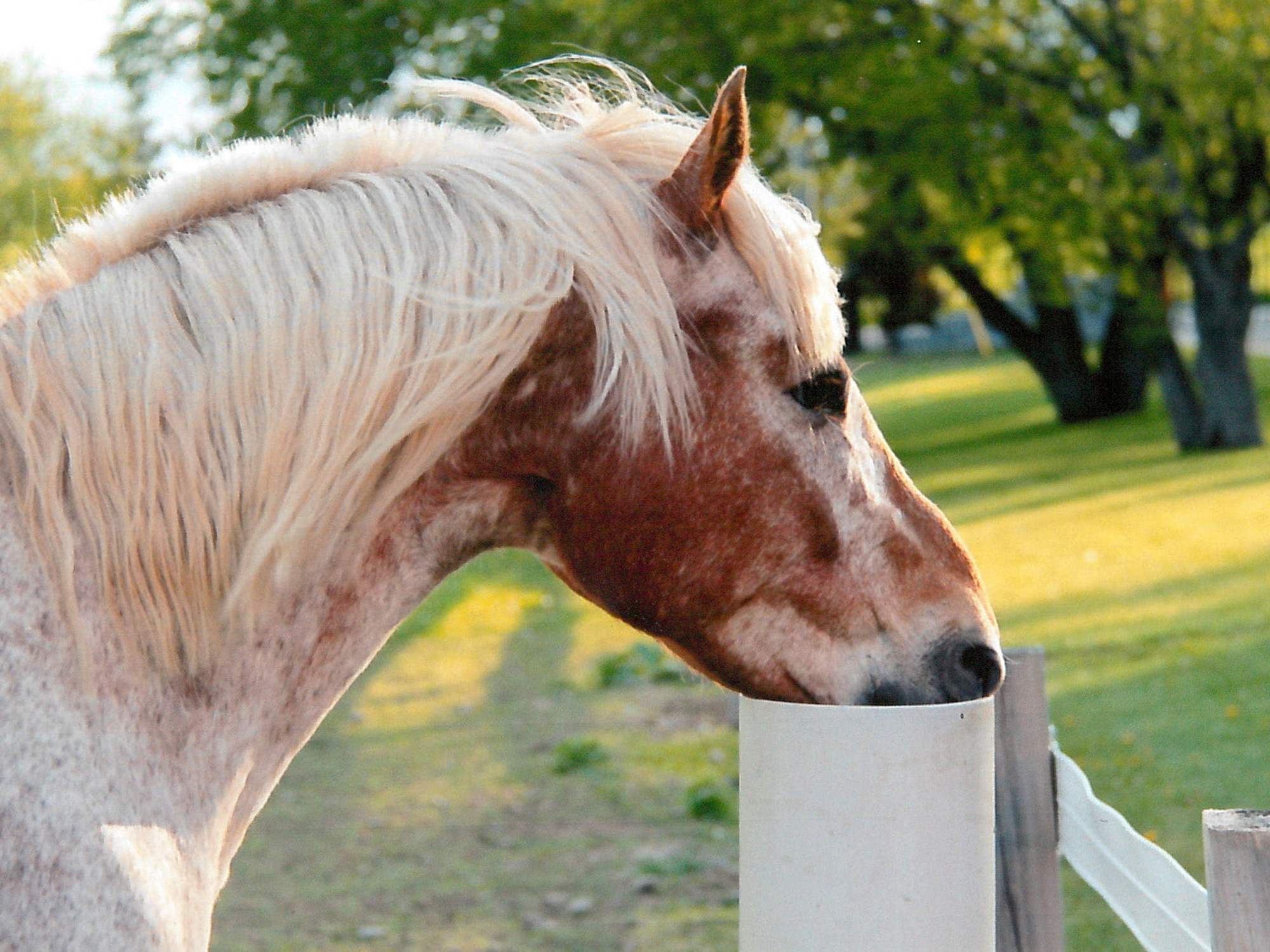
Choosing the right watering system for your horses is more than just convenience. It’s a critical decision that affects horse health, barn labor, water quality, and long-term costs.
Many barns still rely on buckets and troughs, while others have moved to automatic horse waterers such as the Drinking Post, Nelson, or heated systems. But which option truly makes sense for your barn?
At System Equine, we’ve helped thousands of barn owners across North America design and install watering solutions. In this guide, we break down the pros, cons, and long-term economics of buckets, troughs, and automatic waterers, so you can make an informed decision that saves money and improves horse welfare.
Table of Contents
- Why Watering Systems Matter for Horse Health & Barn Efficiency
- Buckets: The Traditional Approach
- Troughs: Better Volume, Bigger Headaches
- Automatic Horse Waterers: The Modern Solution
- Spotlight on Drinking Post Waterers
- 10-Year Cost Comparison: Buckets vs. Troughs vs. Waterers
- Choosing the Right Waterer for Your Barn
- Key Takeaways
- Next Steps with System Equine
- FAQs About Horse Watering Systems
Why Watering Systems Matter for Horse Health & Barn Efficiency
Horses need constant access to clean water
A 1,200 lbs horse drinks 25–40 liters per day. Dehydration leads to colic, performance decline, and health risks.
Labor impact
Watering is one of the most repetitive chores in barn management. Carrying buckets or scrubbing troughs daily takes hours per week.
Water quality
Stagnant water (troughs and buckets) grows algae and bacteria, while freezing temperatures create access issues.
Barn economics
Watering costs are more than just equipment—they include bedding waste, water loss, and labor time.
1. Buckets: The Traditional Approach
Pros:
- Lowest upfront cost: Very inexpensive and easy to buy anywhere.
- Flexible placement: Can be set in stalls, paddocks, or tie areas.
- Horse-friendly: Familiar and comfortable for all horses.
Cons:
- Labor intensive: Must be filled once or twice daily, every day of the year.
- Freeze quickly: Water ices over unless heated buckets are used.
- Get dirty fast: Collect dust, debris, and algae, requiring constant scrubbing.
- Tipping and spillage: Horses often dump them, wasting water and soaking bedding.
- Hidden costs: Labor time, wasted bedding, and water waste add up significantly.
Best for: Very small barns (1–2 horses) in mild climates where labor and freezing are less of a concern.
2. Troughs: Better Volume, Bigger Headaches
Pros:
- More capacity: Holds enough for multiple horses at once.
- Less frequent filling: Needs topping up less often than buckets.
- Simple setup: Easy to place in paddocks or pastures.
Cons:
- Algae growth: Large surface area encourages algae and bacteria, especially in summer.
- Hard to clean: Heavy and awkward to dump and scrub.
- Freeze in winter: Requires heaters and electricity, increasing costs.
- Contamination: Horses drop hay, manure, and bedding into troughs.
- Ongoing expense: Electricity, wasted water, and cleaning labor make them costly long-term.
Best for: Pastures with groups of horses where daily labor is less of a concern and electricity is available for heaters.
3. Automatic Horse Waterers: The Modern Solution
Pros:
- Always fresh: Delivers clean water on demand, 24/7.
- Huge labor savings: No filling, dumping, or scrubbing required.
- Frost-free models available: Drinking Post drains below frost line—no heaters needed.
- Cleaner barn environment: Less spilled water = drier bedding and lower ammonia.
- Efficient use of resources: No wasted water or electricity in frost-free systems.
Cons:
- Higher upfront cost: More investment than buckets or troughs.
- Installation required: Must be plumbed below frost line for proper operation.
- Horse training: Some horses need brief introduction to paddle systems (usually minutes).
Best for: Barns of any size that want to reduce labor, keep water fresh year-round, and save money long-term.
Spotlight on Drinking Post Waterers
The Drinking Post waterer is one of the most effective frost-free automatic systems on the market, and one of the most popular options sold at System Equine.
How it works:
- Push-post design dispenses fresh water each time a horse presses the paddle.
- After use, remaining water drains below the frost line. No standing water = no algae, no mosquitoes, no freezing.
- Eliminates the need for heaters, cords, or constant cleaning.
Benefits for Barn Owners:
- Horse health: Always fresh, clean water, reduces colic and dehydration risks.
- Labor savings: No more scrubbing buckets or troughs.
- Winter reliability: 100% frost-free down to –50°C.
- Cost-effective: Pays for itself within the first year in a colder climate and a few years in a warmer climate through reduced labor and electricity savings.
At System Equine, we not only supply Drinking Post, but also provide expert installation, installation guidance, replacement parts, and expert support to ensure your barn gets the right watering setup.
10-Year Cost Comparison: Buckets vs. Troughs vs. Waterers
| Watering System | Upfront Cost | Labor & Upkeep (10 Years) | Electricity/Water Waste | Total 10-Year Cost (Per Horse) |
| Buckets | $20–$40 | $15,000+ (daily labor) | High | $15,500+ |
| Troughs | $150–$500 | $12,000+ (scrubbing, dumping) | $3,000–$5,000 (heaters/electric) | $15,000–$17,000 |
| Drinking Post Waterer | $1,200–$1,600 | Minimal (self-cleaning design) | $0 (frost-free, no heaters) | $1,500–$2,000 |
Result: Automatic waterers like the Drinking Post have a higher upfront cost but save $13,000–$15,000 per horse over 10 years compared to buckets and troughs.
Choosing the Right Waterer for Your Barn
At System Equine, we know every barn is different. That’s why we carry multiple watering solutions:
- Drinking Post (frost-free, paddle style)
- Nelson Waterers (stainless steel, long-lasting)
- Push to fill, paddle or float bowls
- Traditional heated buckets and trough setups
Our team works with barn owners, contractors, and builders to design the right system based on:
- Climate (Canada vs. U.S. regions)
- Barn design (stalls vs. outdoor paddocks)
- Herd size
- Budget and long-term maintenance goals
Key Takeaways
- Buckets: Cheapest upfront, but the most labor-intensive and costly long-term.
- Troughs: Good for groups, but algae, freezing, and electricity costs add up.
- Automatic horse waterers: Higher upfront, but lowest long-term cost, healthiest option, and most labor-saving.
System Equine is your one-stop partner for watering systems. Whether you want the frost-free reliability of a Drinking Post, we help you make the right choice for your barn.
Next Steps with System Equine
✅ Request a Quote: Get a personalized watering plan for your barn.
✅ Compare Options: Talk to our experts about Drinking Post, Nelson waterers.
✅ Installation Support: From frost-line planning to replacement parts, we’ve got you covered.
👉 Ready to save labor and give your horses fresh water year-round? Contact System Equine today!
FAQs About Horse Watering Systems
- Are automatic horse waterers worth it?
Yes. They save 100s of labor hours per year, reduce electricity bills, and ensure horses always have fresh water. - Do Drinking Post automatic horse waterers freeze in winter?
No. Drinking Post drains below frost line after each use—no heaters needed, even at –50°C. - How much do automatic waterers cost?
Most systems range from $1,200–$2,000 installed. Over 10 years, they’re far cheaper than buckets or troughs. - Can horses learn to use a Drinking Post easily?
Yes. Most horses learn in minutes by nudging the paddle. System Equine provides training tips if needed. - Do automatic waterers require electricity?
Not always. Drinking Post is gravity-drain and does not require electricity. Heated waterers like Nelson, Richie and Miraco do. - Which automatic horse waterers are best for large barns?
For many horses, a mix of solutions works best: Drinking Posts in paddocks and Nelson waterers in stalls. System Equine can help design the layout. - Can I install a waterer myself?
Yes, many owners install Drinking Posts themselves. System Equine provides install guides, expert installation or we can connect you with professional installers if further than 2 hours from our Rockwood Location.