Proper ventilation is essential for maintaining the health and well-being of horses in barns. Good airflow helps minimize respiratory concerns and improves overall air quality. In this article, we will explore the importance of ventilation systems in horse barns and discuss different options for optimizing airflow.
Key Takeaways:
- Barn ventilation systems are crucial for promoting horse health and well-being.
- Optimal airflow in horse barns helps reduce the risk of respiratory ailments.
- Stable ventilation options include both natural and mechanical systems.
- Equine barn fans and automatic vents can aid in regulating airflow.
- Proper barn ventilation improves air quality and creates a comfortable environment for horses.
Why Ventilation is Essential for Horse Barns
Inadequately ventilated barns can pose significant risks to the respiratory health and overall well-being of horses. Without proper ventilation, the air in the barn can become filled with dust, molds, viruses, bacteria, and other irritants, which can lead to various respiratory issues and allergies in both horses and humans.
Ensuring adequate barn ventilation is crucial for maintaining a healthy and comfortable living environment for horses. By optimizing airflow and improving barn air quality, owners can promote the well-being of their equine companions and reduce the risk of respiratory ailments.
| Benefits of Barn Ventilation | Consequences of Poor Ventilation |
|---|---|
|
|
Proper ventilation plays a critical role in maintaining a healthy environment for horses. It not only minimizes the risks associated with poor air quality but also contributes to the overall well-being and performance of the animals. Without adequate ventilation, horses may experience respiratory distress, allergies, and other health issues, compromising their ability to thrive.
Investing in effective barn ventilation systems and strategies is key to mitigating these risks and creating a safe and conducive environment for horses. In the following sections, we will explore different methods and considerations for optimizing barn airflow and ensuring the respiratory health and well-being of the horses.
Natural Ventilation: A Cost-Effective Solution
Natural ventilation is a cost-effective method for ensuring good air exchange in horse barns. By designing the barn in a way that allows for the free flow of fresh air and the escape of moist and unsavory air, optimal ventilation can be achieved without the need for expensive equipment or complex mechanical training.
One of the key aspects of natural ventilation is barn construction techniques that promote airflow. Designing the barn with the proper orientation, incorporating vents and doors strategically, can significantly improve airflow and reduce the need for costly ventilation systems.
When designing a horse barn, the placement of vents, doors, and windows should be carefully considered to facilitate effective air circulation. These openings aid in the free movement of air and prevent stagnant air pockets. By positioning vents and doors strategically, natural ventilation can be maximized.
Take into account the prevailing wind direction when determining the orientation of the barn. Placing the length of the building perpendicular to the prevailing wind allows for better airflow. Additionally, doors on opposite sides of the barn with only a few solid walls between them promote cross-ventilation, further enhancing natural ventilation.
Barn construction techniques and design elements that facilitate natural ventilation not only save on costs but also provide a healthier and more comfortable environment for horses. Fresh air and proper airflow contribute to the overall well-being of horses by reducing the risk of respiratory ailments and improving air quality in the barn.
Implementing natural ventilation techniques in horse barns offers a practical and economical solution for maintaining optimal barn airflow and ensuring the health of the equine occupants. By utilizing barn construction techniques that promote natural airflow, horse owners can create a conducive living space for their horses without incurring high-cost investments.
| Natural Ventilation Benefits | Cost-Effectiveness | Optimal Airflow | Improved Air Quality |
|---|---|---|---|
| Reduces the need for expensive ventilation systems. | Allows for the free flow of fresh air. | Prevents the buildup of stagnant air. | Minimizes respiratory concerns and airborne contaminants. |
| Requires minimal maintenance. | Utilizes natural air currents and wind patterns to optimize airflow. | Reduces the risk of respiratory infections and ailments. | Creates a healthier and more comfortable living environment. |
| Enhances horse well-being and overall health. | Improves temperature regulation in the barn. | Allows for the escape of moist and unsavory air. | Reduces the presence of dust, molds, and other irritants. |
Vertical Air Flow for Improved Ventilation
When it comes to barn ventilation, vertical airflow is a key principle that can significantly enhance air quality and reduce the risk of contamination. Unlike mechanical systems that move air laterally across the barn, vertical flow ventilation efficiently lifts dirty air up and out of vents, preventing the spread of fumes, gases, and pathogens. This vertical movement of air facilitates effective moisture and contamination reduction, creating a healthier environment for horses.
A crucial factor in achieving vertical airflow is the pitch of the barn roof. The roof pitch plays a vital role in facilitating upward air exchange, ensuring that moist and unsavory air is efficiently removed from the barn. By designing the roof with an appropriate pitch, barn owners can optimize air movement and promote better ventilation.
Implementing vertical airflow in barns offers several benefits. Firstly, it helps to control moisture levels, preventing the accumulation of dampness that can lead to mold and mildew growth. Secondly, it reduces the risk of contamination by lifting airborne particles, dust, and irritants out of the barn. This is particularly important for horses with respiratory sensitivities, as it minimizes respiratory concerns and promotes overall health and well-being.
To visualize how vertical airflow works in a barn, refer to the diagram below:
As illustrated in the diagram, warm, moist air rises to the top of the barn due to its buoyancy, while fresh air enters through lower openings. This natural process creates an upward movement of air, effectively exchanging indoor air with fresh outdoor air.
“Vertical airflow is a game-changer when it comes to barn ventilation. It not only reduces moisture and contamination but also promotes a healthier environment for horses. By incorporating this principle into the design and construction of barns, horse owners can ensure optimal air quality and enhance the overall well-being of their equine companions.”
Building Orientation for Optimal Airflow
In order to achieve optimal natural ventilation in horse barns, the proper orientation of the building plays a crucial role. By positioning the length of the barn perpendicular to the prevailing wind, you can ensure the free and unobstructed movement of fresh air throughout the space. This strategic placement allows for effective airflow, promoting a healthy environment for the horses.
When considering building orientation, it’s important to take into account any structures or objects that may obstruct the natural wind movement. As a general rule, if there are any obstructions within a distance of 10 times the height of the barn’s ridge peak, it may be necessary to supplement natural airflow with a mechanical ventilation system.
By combining the advantages of proper building orientation with a mechanical ventilation system, you can optimize airflow in your horse barn and create a comfortable and healthy environment for your equine companions.
Example:
“With the right building orientation, you can harness the power of the prevailing wind to naturally ventilate your horse barn. By positioning the barn perpendicular to the wind direction, you allow it to act as a natural air funnel, bringing in fresh air and expelling stale air. It’s a cost-effective solution that promotes the overall well-being of your horses.”
Pros and Cons of Building Orientation for Horse Barns
| Pros | Cons |
|---|---|
| Optimizes natural airflow | May require additional mechanical ventilation system |
| Promotes a healthy environment | Dependent on prevailing wind direction |
| Cost-effective solution | Less control over airflow compared to mechanical systems |
Vents, Doors, and Windows for Effective Air Circulation
To ensure proper airflow in your horse barn, strategically placing vents, doors, and windows is essential. These openings facilitate easy air movement throughout the barn, preventing stagnant air and promoting a healthy environment for your horses.
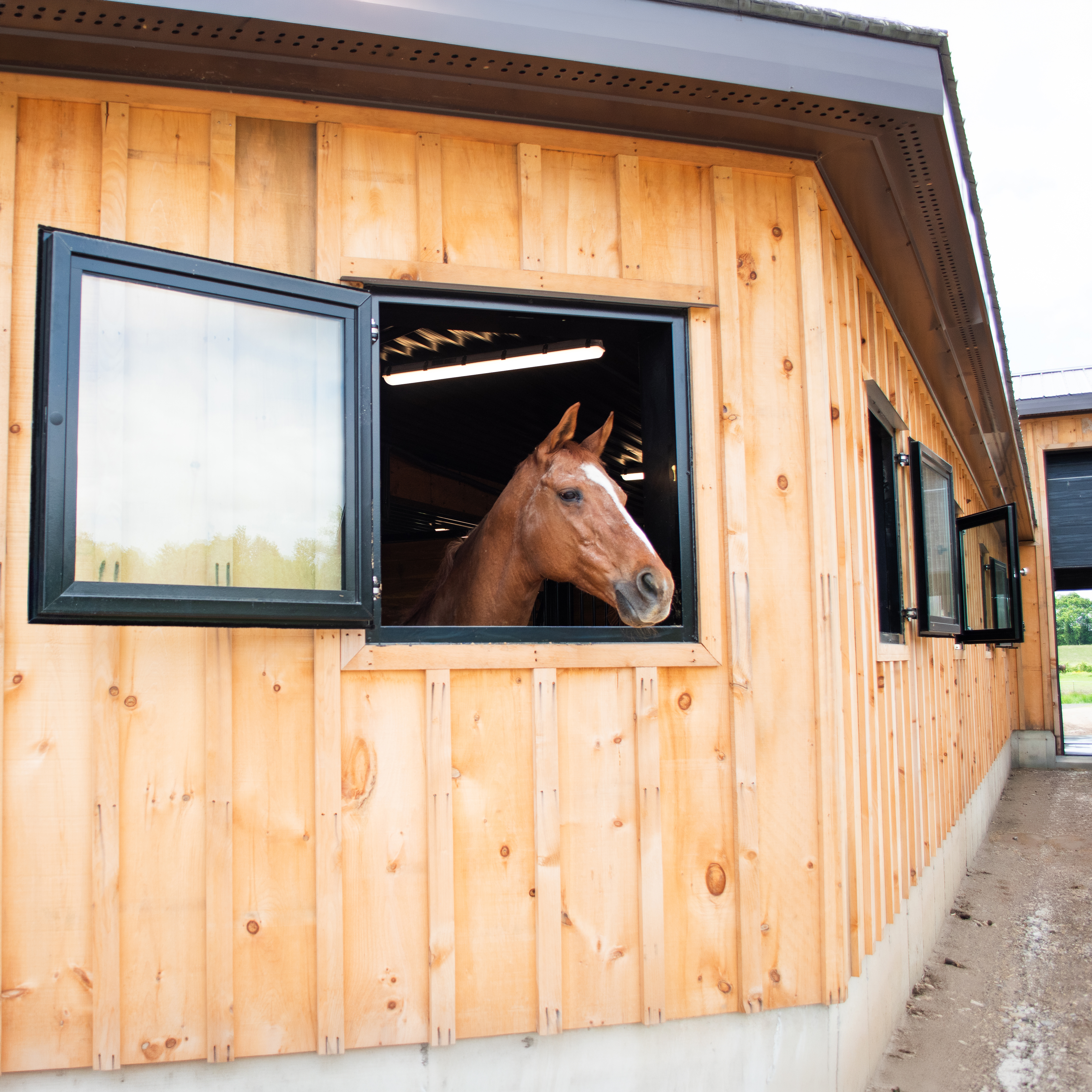
Consider adding Dutch doors to the outer walls of horse stalls. These doors provide fresh outside air intake and encourage horses to lean outside, allowing them to breathe in the fresh air and enjoy natural ventilation. Latching mechanisms on Dutch doors ensure that they remain securely open, allowing continuous airflow.
Additionally, having doors on opposite sides of the barn with only a few solid walls between them can promote cross-ventilation. This setup allows air to flow through the barn, distributing fresh air evenly and reducing the chances of stagnant pockets.
Designing Barns for Horse-Specific Ventilation
Equestrian facilities, such as horse barns, require ventilation systems that are specifically designed for horses. Unlike other agricultural industries, horse-specific ventilation focuses on the unique needs of these majestic animals. To achieve optimal airflow, it is crucial to consult with skilled designers and building planners who have expertise in equestrian facilities.
Horse barns often need to accommodate a large number of horses, each requiring clean air and a comfortable environment. Building a well-designed post frame barn can provide a durable and cost-effective solution for horse-specific ventilation needs. Post frame construction offers flexibility in design, allowing for open and airy spaces that promote airflow.
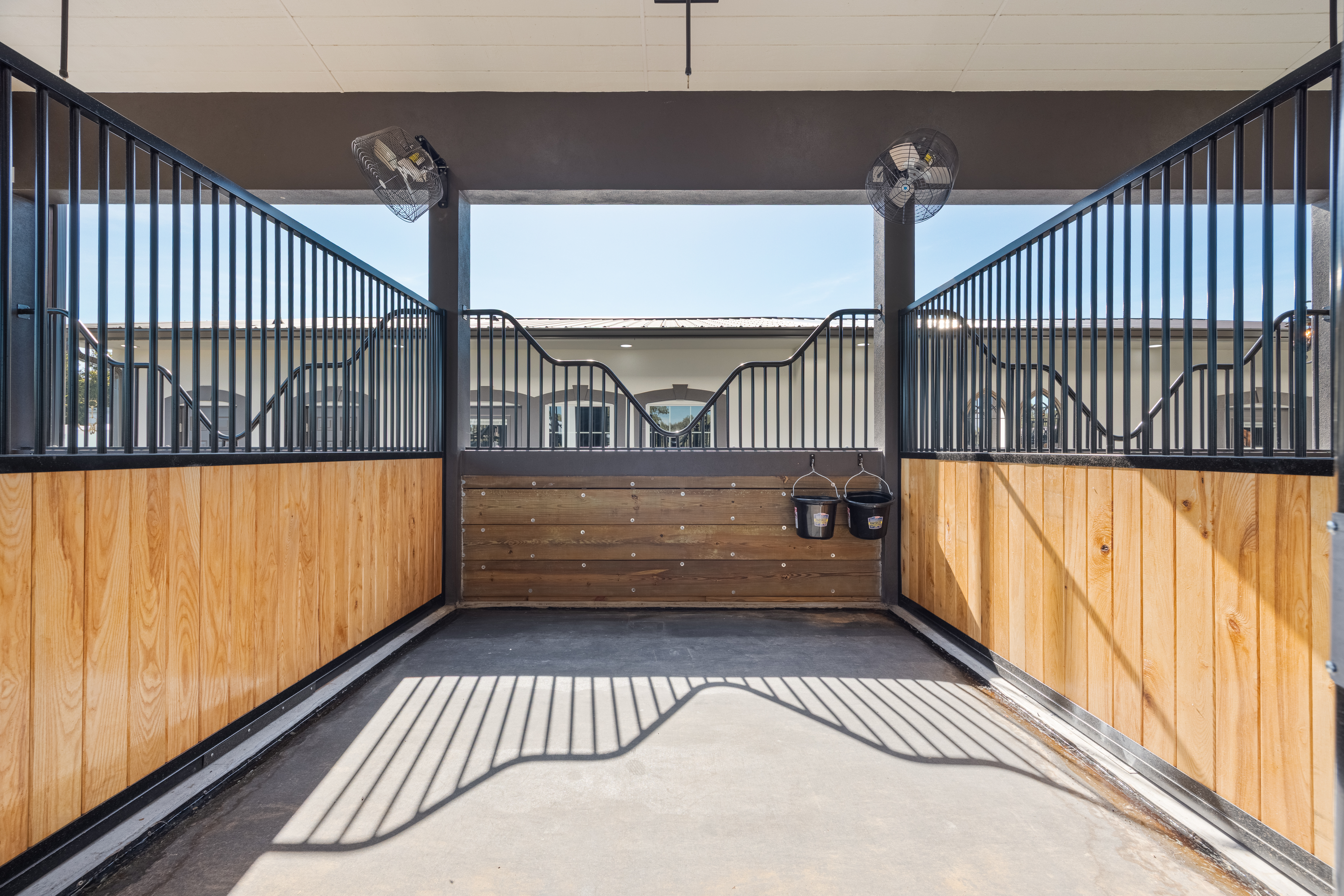
When designing a horse barn, it is essential to consider factors such as the barn’s orientation, stall placement, and size. Properly positioned windows, doors, and vents are crucial for facilitating adequate air exchange and removing moisture and ammonia from the barn.
Skilled designers understand the importance of incorporating ventilation strategies that meet the specific needs of horses. They can recommend the appropriate placement of ventilation openings and suggest additional features or equipment, such as fans or automatic vents, to ensure consistent airflow throughout the barn.
By collaborating with experienced designers and building planners, equestrian facility owners can create a barn that promotes optimal horse health and well-being through proper ventilation.
Take a look at the table below for a comparison of different barn design options and their suitability for horse-specific ventilation:
| Design Option | Suitability for Horse-Specific Ventilation |
|---|---|
| Traditional Barns | May have limited ventilation options and may not meet the specific needs of horses. |
| Post Frame Barns | Provide open and airy spaces, allowing for better airflow and customization of ventilation systems. |
| Steel Frame Barns | Can be constructed with ample ventilation options but may require additional measures to meet horse-specific ventilation needs. |
| Pole Barns | May require modifications to ensure proper ventilation for horses. |
The focus should always be on creating an environment that prioritizes the health and well-being of horses. Skilled designers and building planners play a vital role in ensuring that horse barns are designed with the specific ventilation needs of these magnificent animals in mind.
Monitoring and Maintaining Air Quality in Barns
Regular monitoring of air quality is crucial for ensuring a healthy environment in horse barns. Without proper ventilation, stale air, ammonia, dust particles, and other contaminants can accumulate, posing risks to both horses and humans. By implementing effective barn air quality monitoring methods, such as air sampling and humidity measurement, ventilation issues can be detected early on, allowing for timely adjustments to ensure optimal air quality.
Monitoring air quality in horse barns serves as an essential tool in identifying ventilation problems. By regularly sampling the air, horse owners and barn managers can uncover potential issues such as excessive dust, high ammonia levels, or inadequate humidity control. These indicators can help pinpoint areas where ventilation may need improvement.
“Proper barn air quality monitoring can detect ventilation issues early on, ensuring that the barn maintains optimal air quality for the well-being of the horses.”
Air quality can be affected by various factors, including the number of horses, type of bedding used, and the efficiency of the ventilation system. By monitoring humidity levels, horse owners can prevent excess moisture that can contribute to respiratory issues and the growth of molds. Humidity measurement allows for adjustments to ventilation strategies to maintain a comfortable and healthy environment for horses.
Regularly sampling the air in different areas of the barn can provide valuable insights into the overall air quality and identify potential problem areas. For example, areas with high ammonia levels may indicate the need for improved stall ventilation or more frequent stall maintenance.
Efficient barn air quality monitoring can be achieved through the use of portable air quality monitors, which can measure various parameters such as ammonia levels, dust particle concentrations, and humidity levels. These devices provide real-time data, allowing for immediate action to address any emerging ventilation issues.
Barn air quality monitoring plays a crucial role in maintaining a healthy and comfortable environment for horses. By proactively addressing ventilation issues through regular air sampling and humidity measurement, horse owners can ensure optimal air quality, reduce the risk of respiratory ailments, and promote the overall well-being of their equine companions.
Different Ventilation Options for Barns
When it comes to ensuring proper airflow in horse barns, there are various ventilation options available to suit different barn sizes and layouts. Let’s explore some of these options:
Natural Ventilation
For smaller barns, natural ventilation through windows and doors may be a sufficient option. This method allows for the free flow of fresh air while allowing moist and unsavory air to escape. By strategically placing windows and doors in the barn, horse owners can maximize airflow and maintain a healthy environment for their equine companions.
Mechanical Ventilation Systems
For larger barns or areas with limited natural airflow, the installation of mechanical ventilation systems may be necessary. These systems, such as fans or exhaust blowers, effectively move the air throughout the barn, ensuring proper ventilation and removing stale air. Mechanical ventilation systems can be customized to meet the specific needs of the barn and can greatly improve air quality.
Automatic Vents
In addition to natural and mechanical ventilation options, automatic vents can also be used to regulate airflow and ensure consistent ventilation in the barn. These vents are designed to open and close automatically based on pre-set temperature or humidity levels, maintaining optimal air quality and reducing the risk of stagnant air. Automatic vents are a convenient option for horse owners who want to automate their barn ventilation systems.
Choosing the right ventilation option for your horse barn is crucial for maintaining the health and well-being of your horses. Assessing the size, layout, and specific needs of your barn will help you determine the most appropriate ventilation solution. Whether it’s natural ventilation, mechanical systems, or automatic vents, ensuring proper airflow is essential for creating a comfortable and conducive environment for your equine companions.
Conclusion
Proper ventilation is crucial for maintaining the health and well-being of horses in barns. The importance of ensuring good airflow cannot be overstated, as it not only reduces the risk of respiratory ailments but also improves the overall air quality in the barn. Horse owners should implement effective ventilation systems and strategies, such as natural ventilation techniques and mechanical ventilation systems, to create a healthy and comfortable living environment for their equine companions.
Optimal airflow in horse barns promotes better respiratory health by minimizing the presence of airborne contaminants that can cause respiratory issues and allergies in horses. It also helps to regulate temperature, prevent the accumulation of moisture, and control pests. By prioritizing proper barn ventilation, horse owners can significantly contribute to the overall health and well-being of their horses.
Whether through natural ventilation methods or the use of mechanical ventilation systems, the goal should be to achieve consistent and sufficient airflow throughout the barn. By consulting with skilled designers and regularly monitoring air quality, horse owners can ensure that their barns provide a safe and healthy environment for their beloved horses. Remember, proper barn ventilation is an investment in the longevity and happiness of your equine partners.
FAQ
Why is ventilation important in horse barns?
Proper ventilation is essential for maintaining the health and well-being of horses. It helps minimize respiratory concerns, reduces the risk of infections, and improves overall air quality in the barn.
What are the benefits of natural ventilation in horse barns?
Natural ventilation is a cost-effective solution that promotes good air exchange without the need for expensive equipment. It utilizes barn construction techniques to allow for the free flow of fresh air and the escape of moist and unsavory air.
How does vertical airflow improve ventilation in horse barns?
Vertical airflow effectively reduces moisture and contamination by lifting dirty air up and out of vents. It is achieved through the proper pitch of the barn roof, facilitating upward air exchange.
Why is the orientation of the barn important for optimal ventilation?
The proper orientation allows for the free movement of fresh air. It is important to position the length of the building perpendicular to the prevailing wind to facilitate natural airflow. If wind movement is obstructed, a mechanical ventilation system may be necessary.
How can vents, doors, and windows improve airflow in horse barns?
Strategically placing vents, doors, and windows allows for easy air movement and prevents stagnant air. Adding latching Dutch doors to horse stalls and having doors on opposite sides of the barn with a few solid walls between them promotes cross-ventilation.
What should be considered when designing barns for horse-specific ventilation?
Horse-specific ventilation requires consultation with skilled designers to ensure the barn is designed to meet their unique ventilation needs. Post frame barns are a durable and long-lasting solution for equestrian facilities.
How can air quality in horse barns be monitored and maintained?
Regular monitoring of air quality through methods such as air sampling and humidity measurement is important. This allows for early detection of ventilation issues, allowing for timely adjustments to maintain optimal air quality.
What are the different ventilation options available for horse barns?
Depending on the size and layout of the barn, natural ventilation through windows and doors may be sufficient for smaller barns. Larger barns may require mechanical ventilation systems such as fans or exhaust blowers. Automatic vents can also be used to regulate airflow.
Why is proper airflow important for horse health and well-being?
Proper airflow in horse barns promotes better respiratory health, temperature control, pest control, and overall horse health. It reduces the risk of respiratory ailments and improves the overall air quality, creating a comfortable living environment for horses.
System Equine — Your Equine Solutions Partner
Don’t forget to follow us on social media to see more of our work!