How to Design the Right Horse Stalls, Flooring, Wash Stalls & Tack Rooms
Horse stall design is one of the most important decisions you’ll make when building or renovating a barn. The layout, materials, flooring, ventilation, and workflow all affect horse health, staff efficiency, safety, and long-term maintenance costs.
This guide explains:
- What a true horse stall designer should do for you
- How professional stall planning improves your entire barn
- Why working with experienced equine consultants leads to better outcomes
At System Equine, we help owners, trainers, and builders design barns that work properly—today and 20 years from now.
What Is Horse Stall Design (And Why It’s More Than Stall Fronts)
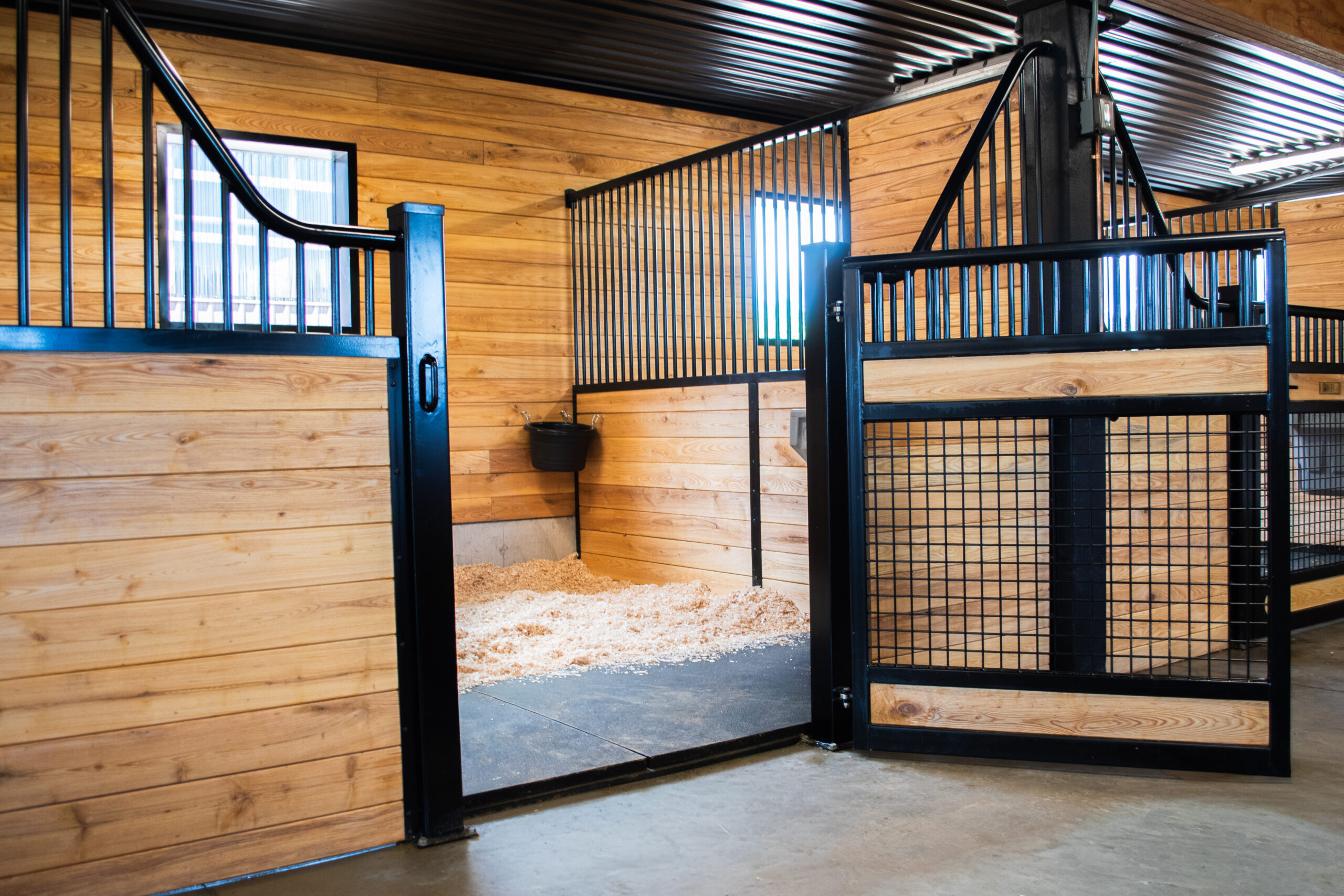
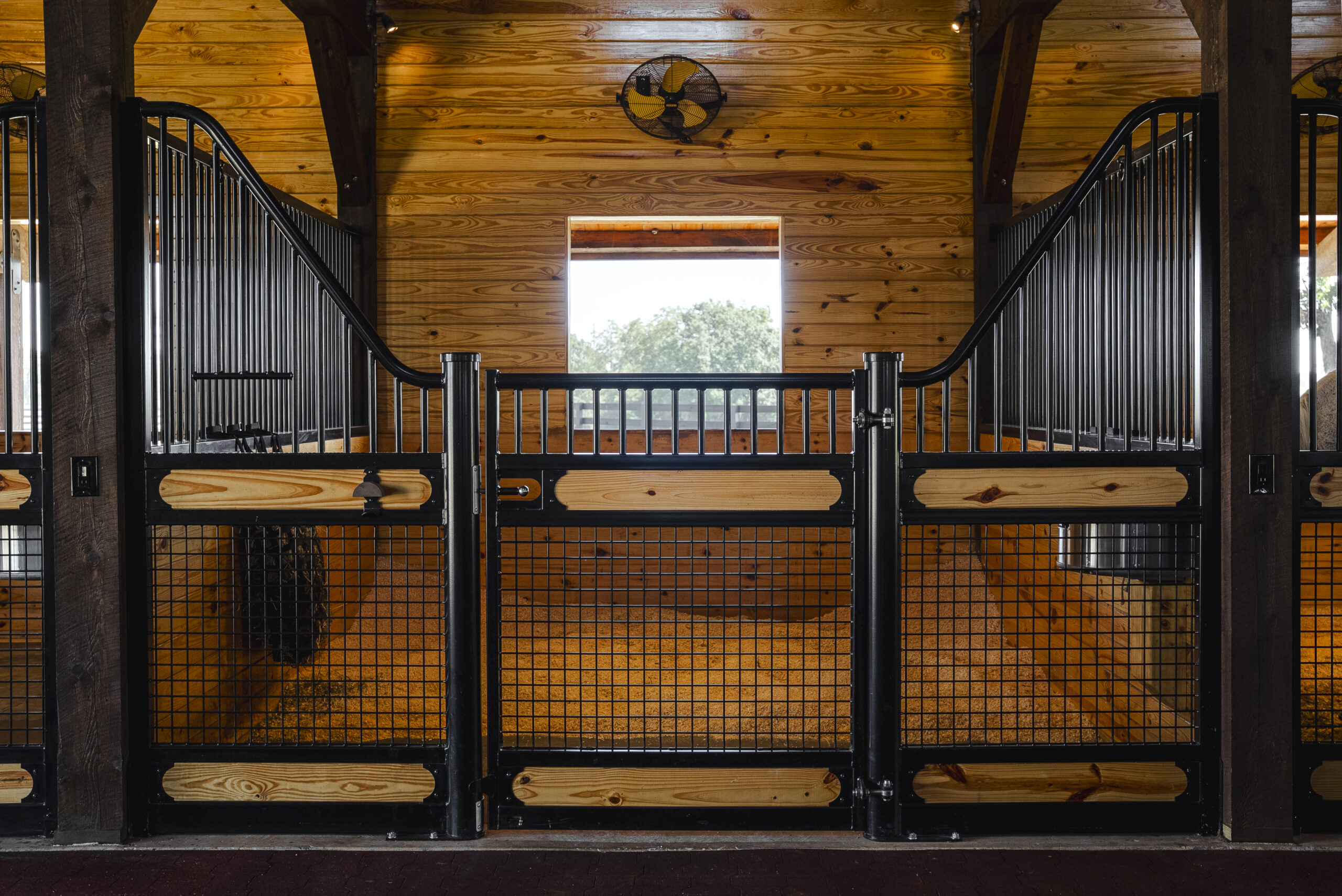
Horse stall design is not just selecting stall fronts or partitions. A properly designed stall system considers:
- Horse movement and behavior
- Airflow and ventilation
- Daily cleaning and feeding routines
- Flooring performance and drainage
- Integration with aisles, wash stalls, and tack rooms
Poor stall planning often leads to:
- Excess moisture and ammonia buildup
- Unsafe door swings and pinch points
- Flooring failure and drainage problems
- Inefficient barn workflow
Good design prevents these problems before construction begins.
What a Professional Horse Stall Designer Should Be Able to Do
When choosing who to work with, a real stall designer should provide more than a quote.
1. Create Proper Stall Layouts
A professional should design:
- Stall sizes appropriate for discipline and horse type
- Correct aisle widths for safety and traffic flow
- Door placement that avoids conflict with horses and people
- Alignment with ventilation and lighting
Layouts should be scaled drawings, not assumptions.
2. Understand Horse Behavior & Safety
Good stall design accounts for:
- Sightlines between horses
- Bar spacing and solid vs. grilled partitions
- Latch placement and door control
- Reduced risk of kicking, casting, or injury
Design decisions should be made for horses first, not just aesthetics.
3. Plan Flooring From the Ground Up
Flooring failures are one of the most common—and expensive—barn mistakes.
A stall designer should advise on:
- Sub-base preparation (often ignored)
- Proper drainage and slope
- Best stall mat types for your climate
- Aisle flooring that reduces fatigue and slipping
Flooring should be designed before concrete is poured, not after. – link to concrete curb article
4. Design Functional Wash Stalls
Wash stalls require special planning:
- Drain location and slope – (link to wash stall set up)
- Non-slip but cleanable flooring
- Wall protection and splash zones – (link to wall build page)
- Ventilation to manage humidity
- Water placement that avoids freezing or damage
Wash stalls that aren’t designed properly become long-term maintenance problems.
5. Optimize Tack Rooms & Storage
A professional equine consultant considers:
- Saddle and bridle layout
- Blanket and equipment storage
- Moisture and humidity control
- Workflow from stall → aisle → tack room
- Future growth and flexibility
Tack rooms should support daily use—not fight it.
Why Climate Matters in Horse Stall Design
Barns in cold climates face different challenges than warm regions:
- Condensation management
- Corrosion resistance
- Freeze-thaw cycles
- Seasonal ventilation requirements
Materials, coatings, and hardware should be selected for long-term durability, not just appearance.
Experienced stall designers understand how stalls perform after years of use—not just on install day.
Custom Stall Design vs. One-Size-Fits-All Systems
Every barn is different.
A professional stall designer should be able to:
- Customize stall sizes and layouts
- Design around existing buildings
- Coordinate with builders and architects
- Adjust designs for boarding, training, breeding, or private use
If customization isn’t an option, you’re buying products—not getting design.
Why Work With System Equine Equine Consultants?
At System Equine, we take a whole-barn approach to stall planning.
Our professional equine consultants help you:
- Design efficient, safe stall layouts
- Select the right stall system for your horses
- Choose flooring that lasts and drains properly
- Build wash stalls that work year-round
- Plan tack rooms that stay organized and dry
Because we design and manufacture, our recommendations are based on:
- Real-world barn experience
- Long-term material performance
- Climate-specific knowledge
- Proven layouts used across North America
Contact us today for more information or help getting started. If you’re looking for a custom, no-obligation quote, our team is happy to help!
Planning a New Barn or Renovation?
The best time to involve a stall designer is before construction starts—when changes are easy and inexpensive.
If you’re:
- Building a new horse barn
- Renovating stalls or flooring
- Re-working wash stalls or tack rooms
- Planning for long-term use and resale value
Our team can help you design it right from the start.
Talk to a System Equine Consultant
Designing horse stalls is an investment that lasts decades. Work with a team that understands horses, barns, and the details that matter. Speak with a System Equine consultant today for more information.
Looking for an innovative way to visualize your project? Bring your barn upgrades to life with our 3D Stall Builder!
Horse Stall Design Planning Checklist
A Practical Guide for Designing Safer, Smarter, Long-Lasting Barns
Use this checklist before finalizing stall layouts, flooring, wash stalls, or tack rooms. It helps avoid costly mistakes and ensures your barn works properly for horses and people.
1. Barn & Use Overview
☐ Primary use of barn (private, boarding, training, breeding, mixed use)
☐ Number of horses now
☐ Planned future expansion (next 5–10 years)
☐ Discipline(s) housed (hunter/jumper, dressage, western, breeding, etc.)
☐ Climate considerations (cold winters, humidity, heat)
☐ Full foundation, pole barn or slab-on-grade construction
2. Stall Layout & Sizing
☐ Stall size appropriate for horse size and discipline
☐ Adequate aisle width for traffic, grooming, and equipment
☐ Door swing or slider clearance confirmed
☐ No door conflicts with feed carts or cross-ties, or entrance doors
☐ Columns, walls, and posts integrated into stall layout
☐ End stalls and corners reviewed for safety
3. Stall Design & Safety
☐ Solid vs. grilled partitions or privacy partitions selected intentionally
☐ Proper bar spacing for horse safety
☐ Visibility between horses considered
☐ Kick zones addressed
☐ Latch placement safe and reachable
☐ Hinges and hardware rated for long-term use
4. Flooring & Base Preparation
☐ Sub-base designed (not assumed)
☐ Proper compaction specified
☐ Drainage slope confirmed
☐ Stall mats selected for climate and use
☐ Aisle flooring chosen for slip resistance and fatigue reduction
☐ Curbs, flooring and heights figured out
☐ Transitions (stall to aisle, wash stall thresholds) detailed
Reminder: Flooring problems almost always start under the mats.
5. Ventilation & Airflow
☐ Airflow through stalls (not blocked by design)
☐ Winter condensation management considered
☐ Summer heat relief planned
☐ Stall fronts aligned with ventilation strategy
☐ Wash stall humidity addressed
6. Wash Stall Planning
☐ Number of wash stalls appropriate for barn size
☐ Drain placement and slope confirmed
☐ Non-slip flooring specified
☐ Wall protection and splash zones included
☐ Hot/cold water location finalized
☐ Ventilation prevents mold and corrosion
7. Tack Room & Storage
☐ Saddle layout matches number of horses
☐ Bridle and equipment access efficient
☐ Blanket storage planned
☐ Moisture and humidity control considered
☐ Cleaning and maintenance access included
☐ Space for future growth built in
8. Materials & Long-Term Durability
☐ Materials rated for barn environments
☐ Corrosion resistance appropriate for climate
☐ Coatings and finishes selected for longevity
☐ Hardware serviceable and replaceable
☐ Maintenance requirements understood
9. Customization & Integration
☐ Stall system adaptable to barn constraints
☐ Coordination with builder and architect
☐ Electrical, plumbing, and drains aligned with stall layout
☐ No forced “standard sizes” where they don’t fit
☐ Future modifications considered
10. Professional Review
☐ Stall layout reviewed by an equine consultant
☐ Flooring plan reviewed before concrete
☐ Wash stall design reviewed before plumbing
☐ Tack room layout reviewed before framing
☐ Final sign-off completed prior to fabrication
Final Question (The Most Important One)
☐ Have you worked with a professional equine consultant who understands horses, climate, materials, and long-term use—not just stall parts?
Designed With Help From System Equine
At System Equine, our professional equine consultants use this checklist to help clients design:
- Safer, more functional horse stalls
- Flooring systems that last
- Wash stalls that drain and stay dry
- Tack rooms that actually work day to day