
You may not notice it the first time. A latch that sticks, a door that rattles, or a hinge that sags might feel like small annoyances. But over time, these “minor” issues can add up to real risks for both horses and handlers. Imagine trying to lead a spirited horse through a doorway while the stall door drags on the track or won’t shut properly. Suddenly, the frustration becomes a safety hazard.
For many barns, stall doors are among the most used and least thought about pieces of equipment. They open and close countless times a day, enduring weather, wear, and the strength of curious horses. If you have been patching problems, adding quick fixes, or telling yourself the door will last one more season, it might be time to take a closer look.
The good news is that modern stall door options offer solutions that improve safety, durability, and ease of use. By recognizing the signs early, you can protect your horses, save time in daily chores, and invest in doors that will last for years.
Safety Red Flags You Can’t Ignore
Horse safety is the first and most important reason to keep stall doors in good condition. When a door begins to break down, the risk of injury increases quickly.
One of the most obvious red flags is sharp or protruding hardware. Jagged edges, broken bars, or cracked welds can cause cuts or snags, especially if a horse rubs against the door. Equally concerning are doors that slip off their tracks or latches that fail under pressure. A horse that leans against a weak latch could easily break free, creating chaos in the barn aisle.
Kick damage is another common issue. Even the strongest doors can suffer dents or cracks from repeated kicks, especially from dominant horses. Once the structural integrity is compromised, repairs may only hold for so long. When the damage puts the horse’s safety at risk, replacement is the only responsible option.
Operability and Daily-Use Friction
If you have ever struggled with a door that requires both hands to open, you know how frustrating it can be. Stall doors are designed to make daily chores smoother, not harder.
Doors that stick, drag, or bounce back instead of closing properly can slow down your entire routine. In busy barns, small delays add up, creating bottlenecks during turnout or feeding. Over time, friction in operation also leads to unnecessary wear on tracks, hinges, and hardware, compounding the problem.
Another telltale sign is poor alignment. If the door doesn’t sit flush or leaves gaps, you may find yourself constantly adjusting shims or guides just to make it functional. While repairs can extend the life of a door, when misalignment becomes a constant battle, investing in a new, well-fitted door is the smarter move.
Structural and Material Deterioration
Even the highest quality doors will eventually show their age. Wood can warp, swell, or rot, particularly in barns with high humidity or heavy washdowns. Once wood infill begins to break down, it no longer provides the strength or security needed.
Metal doors are not immune either. Rust, blistering paint, or failing coatings allow corrosion to spread. If you notice rust bleeding through or pitted surfaces, it is often a sign the protective finish has failed. Left unchecked, the structure can weaken beyond repair.
Sagging frames and fatigued fasteners also signal trouble. Hinges that have pulled away from the frame or stripped screws indicate that the door can no longer hold its alignment. When the structural core of the door is compromised, replacement becomes the only reliable option.
Containment and Security Gaps
Horses are clever, and many learn how to test the limits of their environment. A door that no longer latches securely or can be nosed open puts more than one animal at risk.
Broken bars, wide yokes, or warped frames can allow horses to reach into the aisle or into a neighbor’s stall. This can lead to fights, injuries, or accidental feed theft. In some cases, horses have even learned how to work around chain-only closures, freeing themselves entirely.
The key role of a stall door is containment. Once a door fails to meet that standard, the risk of escape or injury outweighs any temporary repair. Investing in a secure, well-designed door gives you peace of mind that your horses are safe.
Hygiene and Maintenance
A clean stall door contributes to a healthy barn environment. When doors become rough, porous, or damaged, they trap dirt, manure, and ammonia. These surfaces are difficult to disinfect and can harbor bacteria that affect both horses and humans.
Powder coating or galvanized finishes are designed to resist these issues, but once the finish begins to chip or blister, corrosion sets in quickly. Doors that can no longer handle washdowns or disinfectants without degrading are a clear sign that it is time to replace them.
Maintenance is another factor. If you spend more time fixing, cleaning, or re-coating a stall door than actually using it, the cost in time and labor outweighs replacement. A new door with durable finishes saves hours of upkeep and improves biosecurity across the barn.
Horse Welfare and Behavioural Cues
Sometimes the horses themselves tell you when a door isn’t working. Chew marks, cribbing wear, or anxious behavior near the door can indicate poor fit, limited visibility, or lack of airflow.
Doors that restrict ventilation can contribute to respiratory issues or stress. Horses thrive when they can see what’s happening around them. If your current stall doors block sightlines or airflow, it may explain why some horses pace, toss their heads, or show signs of frustration.
Upgrading to stall fronts or doors with better airflow and visibility can make a big difference in horse welfare. System Equine offers several options that allow for social interaction while still maintaining safety and separation where needed.
Barn Workflow and Space Efficiency
Barns are busy places, and your stall doors should make daily work more efficient, not more complicated. When doors swing into narrow aisles or block carts and equipment, they create constant obstacles.
Sliding doors are often preferred for busy barns because they save aisle space and allow for smoother flow of people, horses, and equipment. On the other hand, swing doors can be beneficial in smaller barns where specific door positioning works better.
If you notice that staff are creating workarounds just to manage the doors, or if equipment frequently collides with doors in tight aisles, it may be time to reconsider the style and design of your stall doors. Choosing the right replacement can improve efficiency across your barn’s daily operations.
When Repairs Aren’t Enough
It is tempting to continue repairing a stall door as long as possible, but sometimes repairs become more costly and risky than replacement.
A general rule is the “third strike” guideline. If you have repaired the same door multiple times within a year, chances are the underlying structure is failing. At this point, the cost of parts and labor often exceeds half the cost of a new door.
Another consideration is availability. If repair parts are no longer compatible or hard to source, your time is better spent installing a new, reliable door. Most importantly, if a door has already caused an accident or near miss, it should be replaced immediately to prevent future incidents.
Replacement Paths That Fit Your Needs
Once you decide replacement is necessary, the next step is choosing the right door style.
Sliding Stall Door Upgrades
Modern sliding doors with self-cleaning round track systems make daily use smoother and longer lasting. These designs reduce binding and require less effort, saving you time during daily routines.
Swing Door Choices
Swing doors are still a strong option for certain barns. They provide excellent ventilation and visibility when designed with yokes or mesh panels. System Equine’s swing doors are available with different latch systems to suit the safety needs of your barn.
Dutch Doors
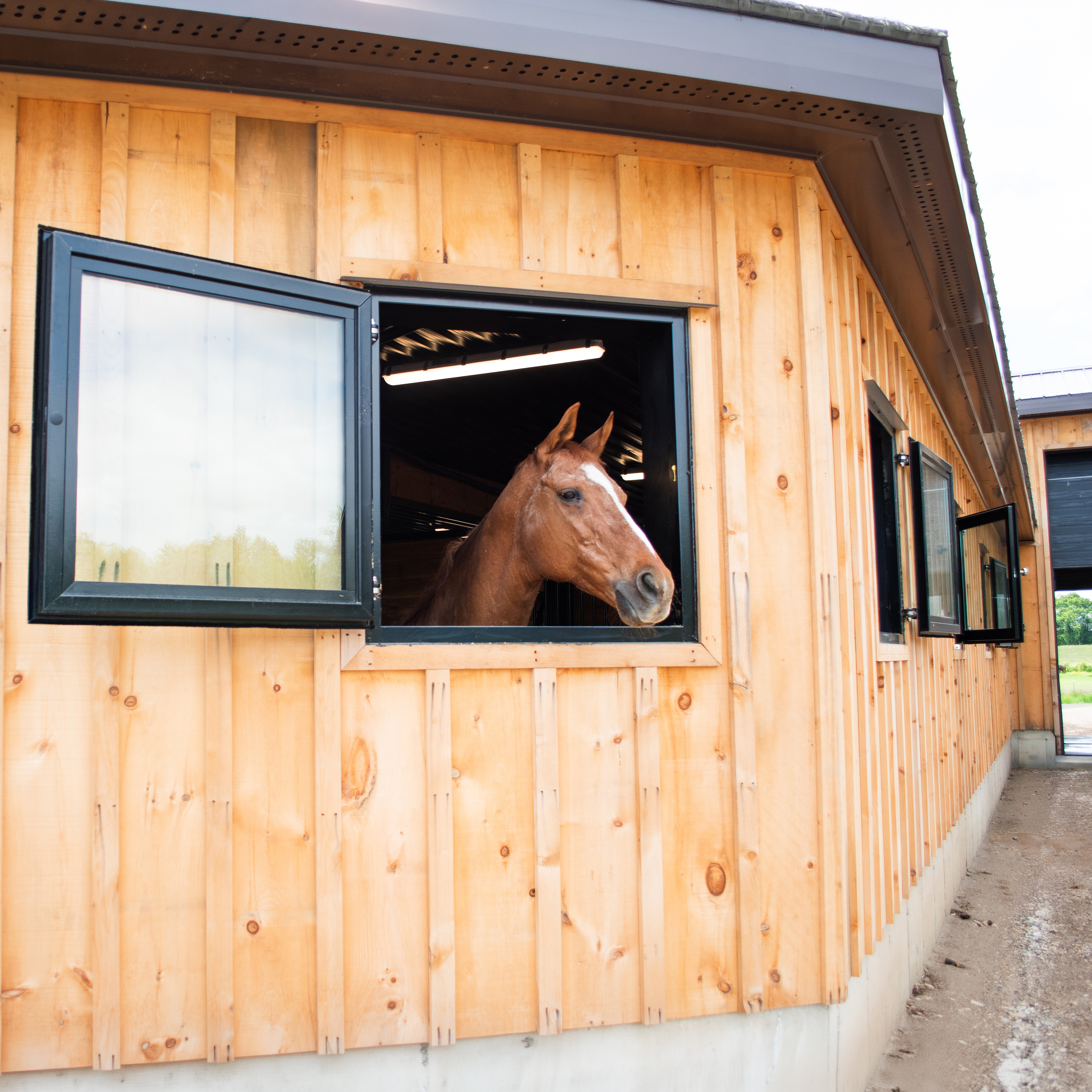
Dutch doors are a practical way to improve airflow and light in a stall while offering horses the chance to look outside. With heavy-duty frames, adjustable stainless hinges, and specialized latches, they provide both durability and safety, even in barns that shift with seasonal weather.
Stall-Front Styles
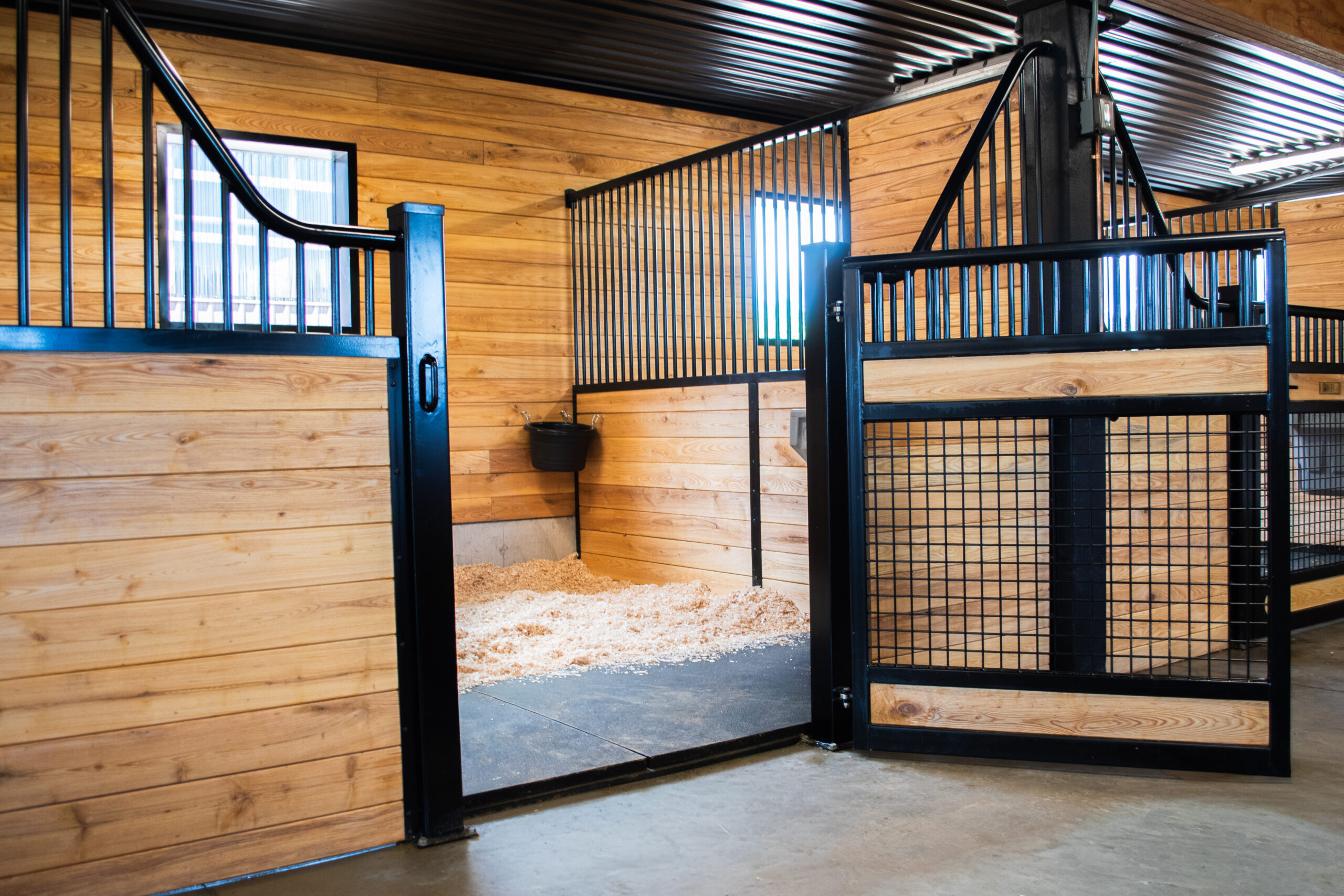
From grill-top to mesh-bottom to shutter and V-opening designs, System Equine offers stall fronts that allow you to balance airflow, privacy, and social interaction based on the temperament of each horse.
Fit, Specs and Compatibility Checklist
Before placing an order, take the time to measure and plan carefully.
Key Factors to Consider
- Opening size and clearances: Double-check width, height, and aisle space to ensure proper fit.
- Track and trolley details: Confirm weight rating and design, such as self-cleaning profiles, to match daily use.
- Hinges and latches: Choose the right latch style for your horses. For example, Iron Grip latches are ideal for high-security needs.
- Infill and airflow: Decide between grill, mesh, or shutter panels depending on ventilation and bedding requirements.
- Finish and corrosion protection: Galvanized and powder-coated finishes withstand washdowns and harsh seasonal conditions.
Taking these details into account ensures your investment performs as expected and lasts longer.
Budgeting, Lead Time and Phasing
Replacing multiple stall doors can feel like a large project, but it does not need to be done all at once.
Start by prioritizing the doors that present the greatest safety risks. From there, you can phase replacements by aisle or wing. This approach spreads costs over time while addressing the most urgent issues first.
Be sure to consider not just the upfront cost, but also the long-term savings. Doors designed with durable tracks, quality hinges, and protective finishes reduce maintenance costs year after year. Coordinating installation with your barn schedule also helps minimize disruption.
Installation and Aftercare
A new door is only as good as its installation. Preparing the opening to be square, plumb, and secure makes the process smoother and ensures the door operates correctly from day one.
After installation, fine-tune adjustments to hinges or guides for a smooth glide. It is wise to recheck adjustments after the first week of use as doors settle into place.
Seasonal maintenance, such as clearing tracks, checking latches, and touching up coatings, helps extend the life of your new doors. Keeping spare parts like rollers and fasteners on hand makes it easy to keep doors in peak condition.
Frequently Asked Questions About Stall Doors for Horses
How do I decide between a sliding stall door and a swing door?
Sliding doors are ideal for saving aisle space and reducing obstructions, while swing doors can provide greater airflow and accessibility in barns with wider aisles. The right choice depends on your barn’s layout and daily traffic.
What’s the difference between grill-top, mesh-bottom, and shutter door styles?
Grill-top designs improve visibility and social interaction. Mesh-bottom options keep bedding in while maintaining airflow. Shutter doors provide privacy and are best suited for horses that need less visual stimulation.
Can I retrofit self-cleaning round track hardware to my existing openings?
In many cases, yes. However, compatibility depends on your current stall setup. System Equine offers track systems designed for easy installation and long-term durability.
How do Dutch doors perform in barns that shift with seasonal changes?
High-quality Dutch doors with adjustable stainless hinges and heavy-duty frames maintain alignment even in barns that shift. Specialized latching systems also help ensure security in varying conditions.
What measurements should I collect before ordering new stall doors?
Measure the height and width of your opening, check aisle clearances, and take note of any overhead obstructions. Photos of your current setup can also help ensure an accurate quote and the right hardware selection.
Stronger, Safer, and Smarter Choices for Your Barn
Replacing stall doors is more than an upgrade, it is a commitment to safety, welfare, and efficiency in your barn. Whether you are addressing safety concerns, improving airflow, or simply making daily chores smoother, the right stall door delivers long-lasting value.
At System Equine, we design and build stall doors that work as hard as you do. Explore our wide selection of sliding doors, swing doors, Dutch doors, and stall-front styles to find the perfect fit for your horses and your barn.
Your horses deserve a secure, comfortable environment and your barn deserves equipment that stands the test of time.
Don’t forget to follow us on social media to see more of our work!