Mud is one of the most frustrating problems horse owners face. Whether it’s at the gate entrance, around water troughs, or across an entire turnout area, mud can quickly turn a well-managed paddock into an unhealthy and unsafe environment.
Beyond being inconvenient, muddy paddocks can lead to hoof issues, skin infections, and injuries caused by unstable footing. It also creates maintenance headaches for barn managers who must constantly battle deteriorating ground conditions.
Fortunately, mud in horse paddocks can be managed effectively with the right strategy.
At System Equine, we recommend a two-part approach to mud control:
- Mud Control Grids – a fast solution for existing mud
- Paddock Slab Soil Stabilization Systems – a permanent engineered solution
Used together, these systems provide a complete mud management strategy for horse farms.
If you’re struggling with muddy turnout areas, this guide will explain how mud forms, why it causes problems, and how to properly stabilize your paddocks.
Table of Contents
- Why Horse Paddocks Become Muddy
- The Hidden Problems Mud Creates for Horses
- Temporary vs Permanent Mud Solutions
- Mud Control Grids: The Floating Mud Solution
- Paddock Slab Soil Stabilization: A Permanent Mud Fix
- How to Build a Proper Base for Paddock Stabilization
- Best Areas to Use Mud Control Systems
- Common Mistakes When Fixing Mud in Paddocks
- Creating a Long-Term Mud Management Plan
- Final Thoughts: Creating a Healthier Turnout Environment
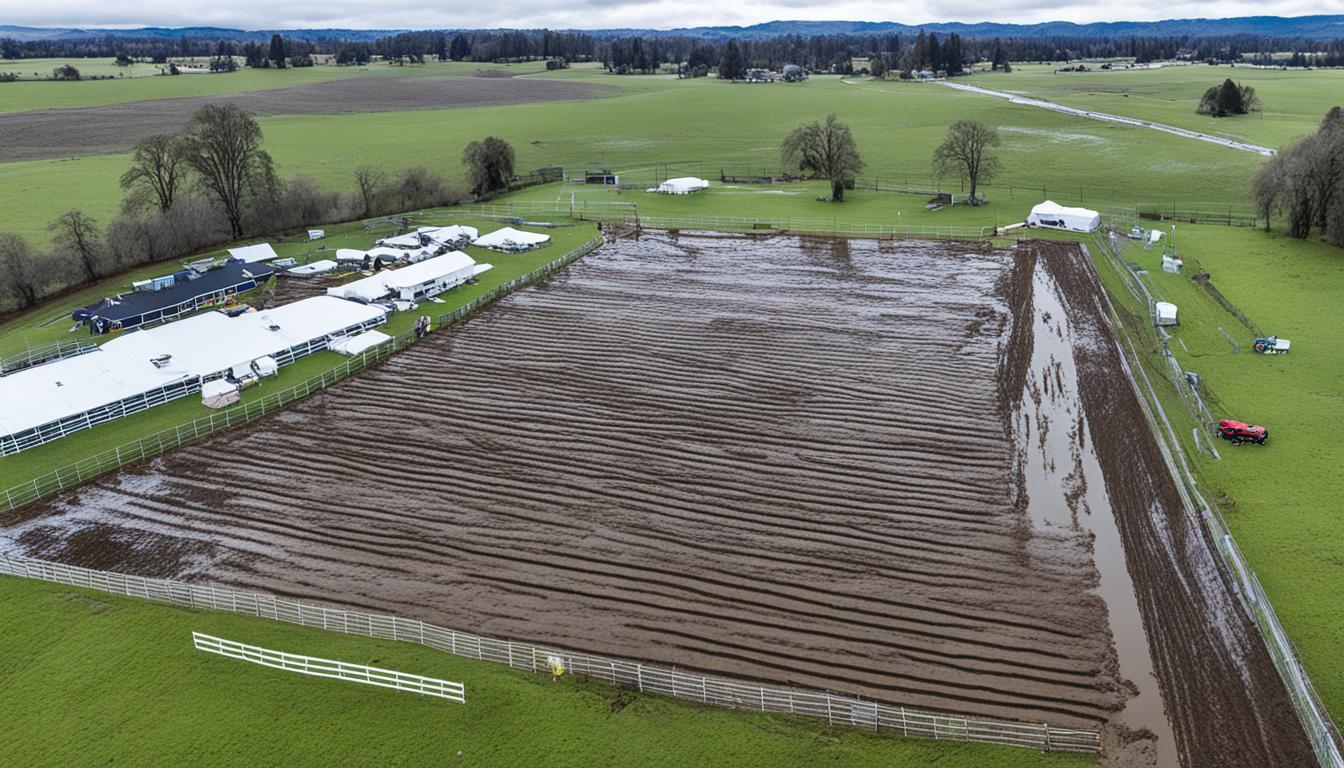
Why Horse Paddocks Become Muddy
Mud develops when several environmental factors combine.
Horse paddocks experience heavy traffic from hooves, equipment, and daily activity. When soil becomes saturated and the ground structure breaks down, the surface loses its ability to support weight.
Several factors contribute to this process:
1. High Traffic Areas
Certain areas experience much more activity than others. These include:
- Gate entrances
- Water trough locations
- Feeding areas
- Shelter entrances
Repeated hoof impact compacts and breaks down the soil.
2. Organic Soil
Topsoil contains organic material that holds moisture. While this is great for growing grass, it is poor for supporting heavy traffic.
When horses repeatedly walk on wet organic soil, it quickly turns to mud.
3. Poor Drainage
If water cannot drain away from a paddock area, the soil becomes saturated. Once this happens, the ground structure collapses.
Without stabilization, this cycle continues every season.
The Hidden Problems Mud Creates for Horses
Many horse owners view mud as an inconvenience, but it can actually create serious health and safety concerns.
Hoof Health Issues
Constant exposure to mud can lead to:
- Thrush
- Hoof softening
- Increased risk of abscesses
Wet environments weaken the hoof structure and create conditions where bacteria thrive.
Skin and Leg Problems
Muddy conditions increase the risk of:
- Scratches (pastern dermatitis)
- Skin irritation
- Bacterial infections
These conditions can become chronic if horses remain in wet environments.
Increased Injury Risk
Deep mud creates unstable footing that increases strain on tendons and ligaments. Horses moving through mud must work harder to lift their legs, which can increase fatigue and injury risk.
Farm Management Challenges
Mud also creates operational challenges for farms:
- Equipment gets stuck
- Manure removal becomes difficult
- Gate areas deteriorate rapidly
- Horses track mud into barns
For these reasons, improving paddock footing is an important part of good horse management.
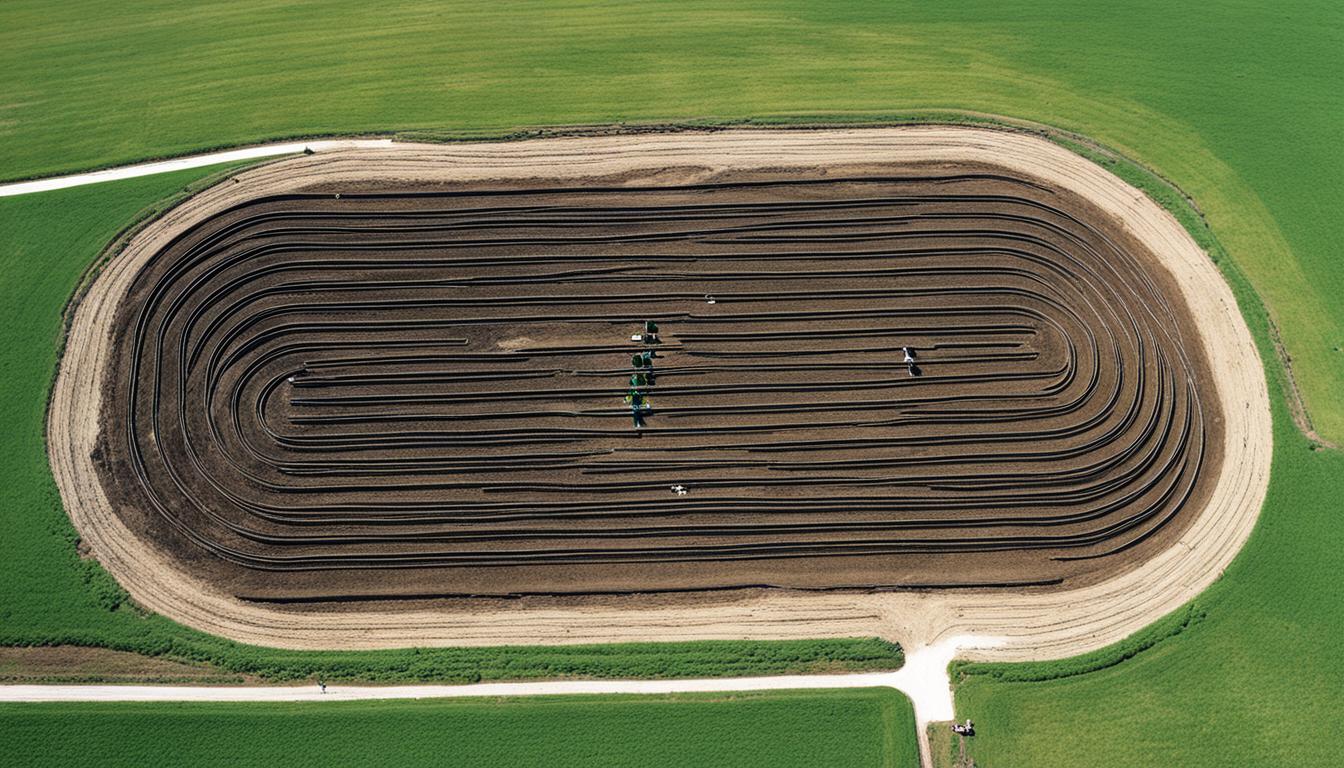
Temporary V.S. Permanent Mud Solutions
When addressing mud in horse paddocks, there are generally two categories of solutions:
- Temporary mud control and permanent soil stabilization.
- Temporary solutions help manage mud quickly when it already exists. Permanent systems rebuild the ground structure so mud does not return.
At System Equine, we offer two products designed to work together as a complete mud management system. You can view both options here.
Mud Control Grids: The Floating Mud Solution
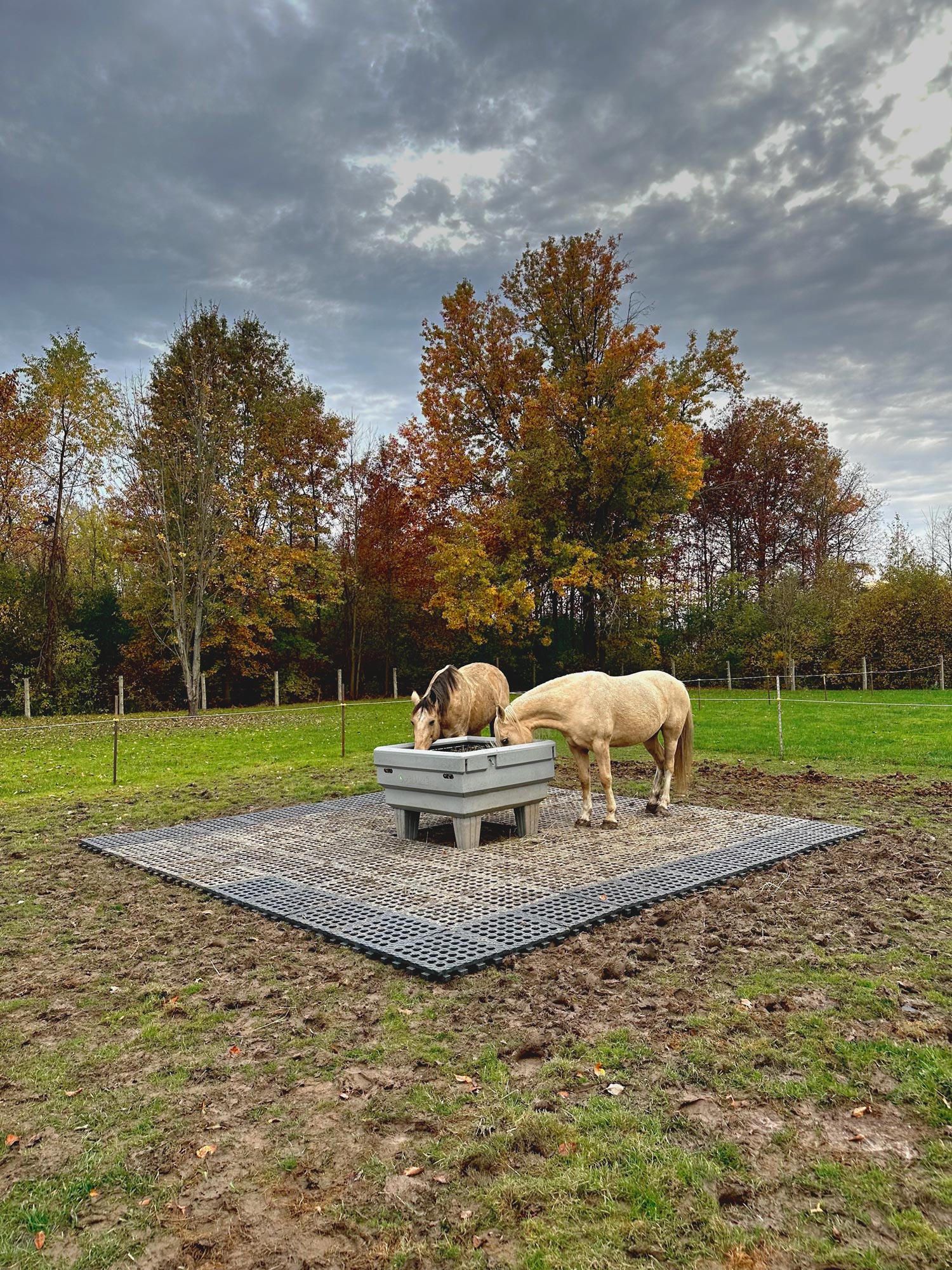
Mud control grids provide a fast and effective way to manage muddy areas without excavation.
These grids are designed to be placed directly on top of existing mud. They are extremely rigid and durable, allowing horses, people, and even equipment to travel across muddy areas without sinking.
How Mud Control Grids Work
The grid spreads the load across a larger surface area. Instead of a horse’s hoof pushing directly into soft mud, the weight is distributed across the entire grid.
This allows the grid to act as a floating surface over the mud.
Over time, the grid will gradually settle.
Depending on the depth and softness of the mud, it may:
- Stay on top for several days
- Slowly sink over several weeks
- Eventually settle below the surface
When this happens, the grid can simply be lifted out with tractor forks and repositioned on top of the mud again.
This makes mud grids extremely practical for ongoing farm use.
Key Benefits of Mud Control Grids
Mud grids provide several advantages for horse farms:
- Immediate mud relief
• No excavation required
• Extremely strong and durable
• Can support tractors and vehicles
• Reusable and repositionable
They are ideal for locations where mud frequently develops.
Best Locations for Mud Control Grids
Mud grids are especially useful in:
- Gate entrances
- Water trough areas
- Feeding locations
- Temporary winter mud zones
- High-traffic paddock sections
They provide a fast solution when mud already exists.
Paddock Slab Soil Stabilization: The Permanent Mud Solution
While mud control grids provide immediate relief, the best long-term solution is proper soil stabilization.
Paddock slab stabilization systems are installed into a prepared base to create a permanent, stable paddock surface.
These grids reinforce the footing and prevent gravel and soil from being pushed down into the ground.
How Soil Stabilization Grids Work
The grid structure distributes the load of horses and equipment across the entire surface.
This prevents base materials from shifting or sinking into the subsoil.
The grid cells are filled with compacted material such as:
- stone dust
- gravel fines
- topsoil
Grass can even grow through the cells, allowing the paddock to maintain a natural appearance while remaining stable.
Advantages of Paddock Slab Stabilization
Permanent stabilization systems offer several benefits:
- Long-term mud prevention
- Stable footing for horses
- Improved drainage
- Reduced paddock maintenance
- Natural-looking finished surface
When properly installed, these systems can dramatically improve turnout conditions.
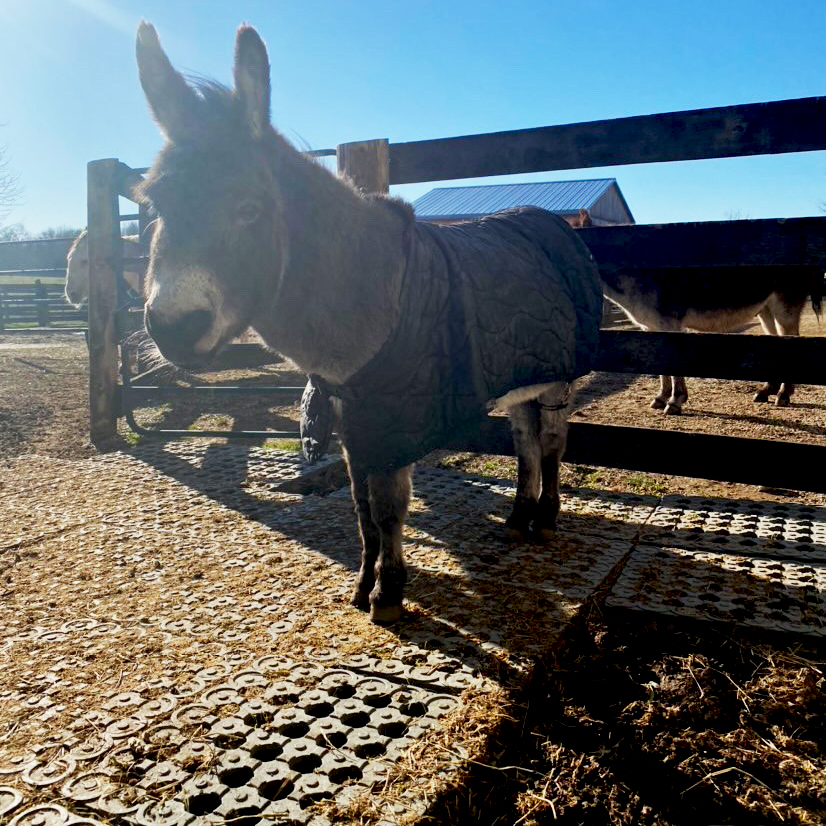
How to Build a Proper Base for Paddock Stabilization
The most important step in solving mud problems permanently is building the correct base structure.
Simply adding gravel on top of mud rarely works. The organic soil beneath will eventually collapse and the mud will return.
Proper base construction ensures long-term stability.
Step 1: Remove Organic Soil
The first step is to strip away the top layer of organic material.
This includes:
- topsoil
- manure buildup
- decomposing organic material
Excavate until you reach the firm sub-base soil layer. (usually a different colour of sub soil lighter brown)
Organic soils retain moisture and should not be part of the final foundation.
Step 2: Install Geotextile Fabric
A geotextile fabric layer helps separate the subsoil from the gravel base.
This prevents the gravel from mixing with the soil over time and greatly improves stability.
Although optional, it is highly recommended for long-term performance.
Step 3: Install a Gravel Base
Next, install a base layer of clear crushed stone.
Typical depths include:
- 4–6 inches for moderate traffic areas
- 6–8 inches for heavy traffic areas
The gravel should be compacted thoroughly to create a solid foundation.
Step 4: Install the Stabilization Grid
Once the base layer is prepared, the paddock slab grids are laid across the surface.
These grids interlock to form a continuous reinforcement structure.
Step 5: Fill the Grid Cells
Finally, fill the grid openings with suitable material such as:
- stone dust
- gravel screenings
- topsoil
The material is compacted to create a firm and level surface.
If topsoil is used, grass can grow through the grid system.
Best Areas to Use Mud Control Systems
Different areas of a farm benefit from different stabilization strategies.
| Area | Recommended Solution |
| Gate entrances | Mud Control Grid |
| Water trough areas | Mud Control Grid or Paddock Slab |
| Feeding locations | Mud Control Grid |
| Heavy traffic paddocks | Paddock Slab |
| Permanent turnout areas | Paddock Slab |
| Equipment drive lanes | Paddock Slab |
Combining both solutions creates a flexible and effective mud management plan.
Common Mistakes When Fixing Mud in Paddocks
Many farms attempt quick fixes that unfortunately fail over time. How many times have you put shaving or manure in an area thinking that you are getting rid of ice only to have more mud in the spring.
Placing Gravel Directly on Mud
Without removing organic soil, gravel will eventually sink. Waste of money everytime.
Using Sand
Sand holds water and can worsen muddy conditions.
Skipping Base Preparation
A stable base is essential for long-term success.
Ignoring Drainage
Water must be able to drain away from the paddock surface.
Avoiding these mistakes can save significant time and expense.
Creating a Long-Term Mud Management Plan
The best farms use a combination of solutions to manage mud effectively.
A typical strategy may include:
- Mud grids at gate entrances and feeding areas
- Permanent stabilization in high traffic paddocks
- Proper grading and drainage
- Regular manure removal
This approach allows paddocks to remain usable throughout the year.
Final Thoughts: Building Better Turnout for Horses
Mud is one of the most persistent challenges horse farms face, but it is not unavoidable.
With the right stabilization strategy, paddocks can be transformed into safe, dry, and functional turnout spaces.
By combining Mud Control Grids for immediate relief with Paddock Slab Soil Stabilization for permanent footing, horse owners can effectively manage muddy areas and improve the environment for their horses.
A well-designed paddock not only looks better—it supports healthier horses and a more efficient farm. Stabilization.
For more information or help getting started with mud control in your paddocks, contact System Equine today.