YOUR FALL FARM CHECKLIST
As the grazing season winds down and colder weather approaches, fall is one of the best times to take a closer look at the systems your farm will depend on all winter.
Fencing that seemed fine through the summer can quickly become a bigger problem once snow, frozen ground and freeze-thaw cycles arrive. At the same time, your horses still need reliable access to fresh water regardless of the temperature.
A little preventative maintenance now can help reduce emergency repairs later.
Before winter settles in, add these fencing and Drinking Post checks to your end-of-season farm routine.
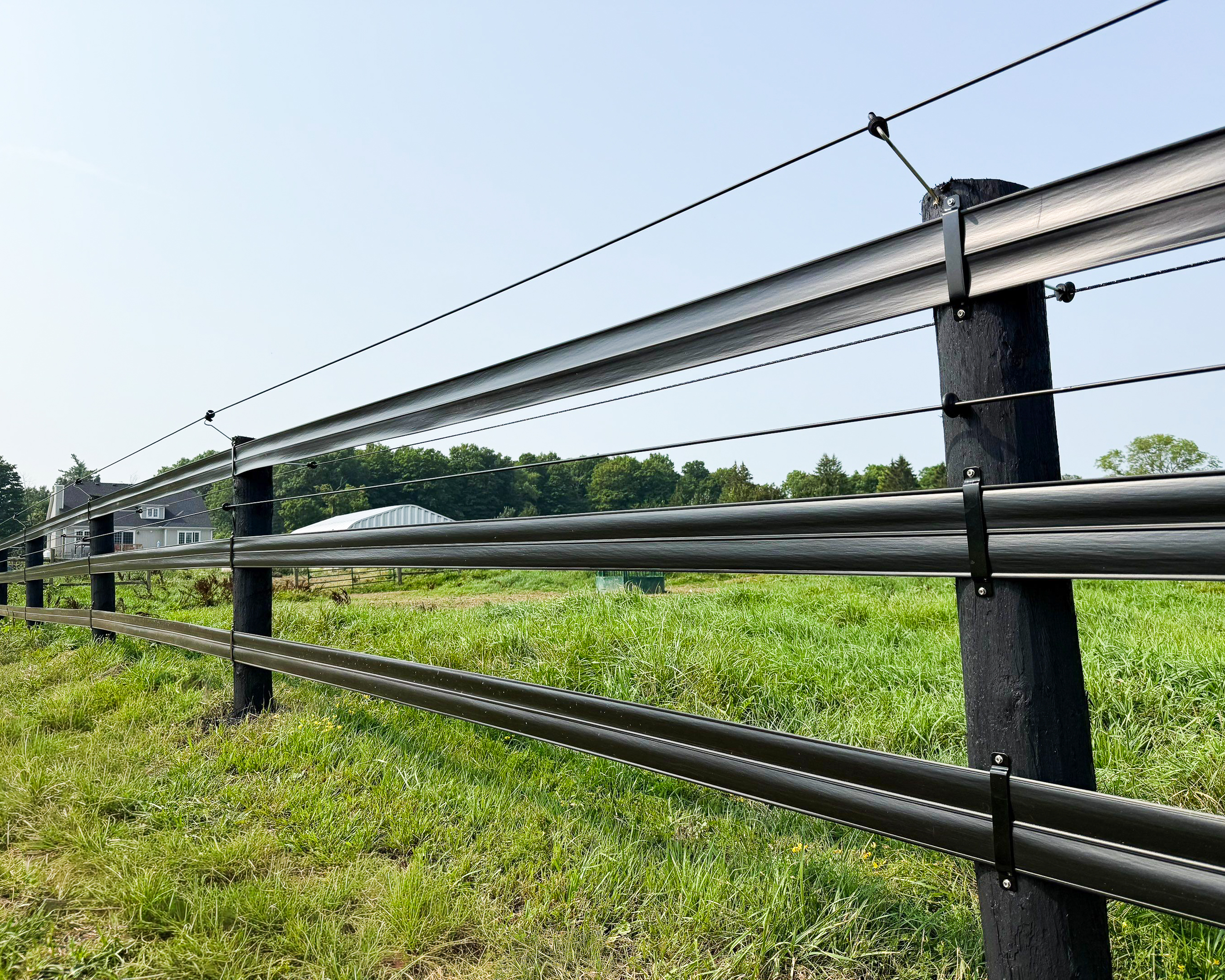
Table of Contents
- Walk Your Fence Lines
- Check Your Fence Tension
- Inspect Posts, Corners and Ends
- Give Your Gates Some Attention
- Clear Vegetation and Potential Hazards
- Look at High-Traffic and Mud-Prone Areas
- Prepare Your Drinking Post for Cold Weather
- Planning a New Drinking Post? Don’t Wait for Frozen Ground
- A Little Fall Maintenance Goes a Long Way
- Need Help Getting Your Farm Ready for Winter?
1. Walk Your Fence Lines
Start with a complete walk around your paddocks, pastures and laneways.
It can be easy to overlook small issues during the busy summer months, but once vegetation dies back in the fall, problems are often much easier to spot.
Keep an eye out for:
- Loose, damaged or missing boards
- Sagging or damaged flexible fencing
- Loose wire or mesh
- Broken or damaged insulators
- Leaning or loose posts
- Damaged corners and end assemblies
- Loose fasteners or hardware
- Areas where horses have been rubbing or pushing against the fence
- Trees or branches that could fall onto the fence during winter storms
Pay particular attention to corners, ends and gate openings, where fencing typically experiences additional stress.
Making repairs while the ground is still workable is usually much easier than discovering a problem after the ground has frozen or the fence line is buried in snow.
2. Check Your Fence Tension
Fall is also a good time to look at the overall tension of your fencing.
Flexible rail, electric fencing, woven wire and other tensioned fence systems should be visually inspected for areas that have become excessively loose or uneven.
Temperature changes, ground movement, animal pressure and regular use can all affect a fence system over time.
The goal is not simply to make everything as tight as possible. Your fencing should be maintained according to the requirements of the particular system installed.
If something looks significantly different from the rest of the fence line, it is worth investigating before winter.
3. Inspect Posts, Corners and Ends
A fence is only as dependable as the structure supporting it.
Look closely at your:
Line Posts
Watch for posts that have shifted, loosened or begun leaning.
Corner Posts
Corners carry significant tension and should remain solid and properly aligned.
End Posts
Check where fence lines terminate, particularly around gates and changes in paddock layout.
Also look at the ground surrounding each post. Repeated traffic, erosion and wet conditions can sometimes expose problems that are less noticeable during dry summer weather.
If a post already feels unstable in the fall, winter conditions are unlikely to improve it.
4. Give Your Gates Some Attention
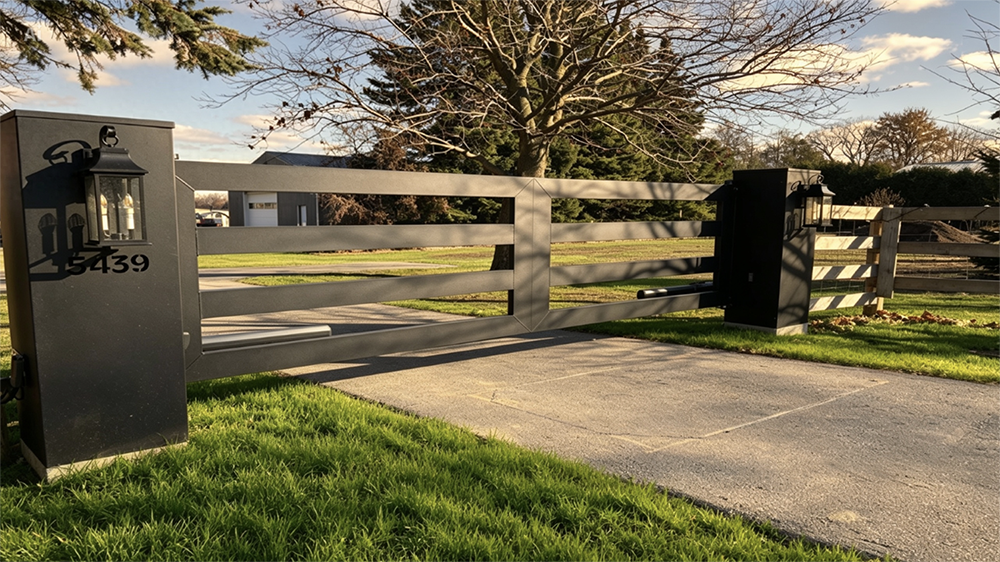
Farm gates see a lot of use, making them another important part of your fall inspection.
Open and close each gate and check that it swings freely and latches properly.
Look for:
- Loose or worn hinges
- Gates that have begun to sag
- Misaligned latches
- Loose hardware
- Damaged gate posts
- Areas where soil has built up underneath the gate
- Obstacles that could interfere with winter operation
Remember to think ahead to snow accumulation as well.
A gate that barely clears the ground in September may become difficult to operate once snow and ice begin accumulating around the entrance.
Taking care of alignment or clearance issues now can make everyday winter turnout much easier.
5. Clear Vegetation and Potential Hazards
Overgrown vegetation can hide damaged fencing and make routine inspection more difficult.
Trim back weeds, brush and branches where appropriate so fence lines remain visible and accessible.
It is also a good opportunity to identify dead trees or large branches close to paddocks that could become a hazard during heavy snow, ice or winter wind.
Keeping the fence line accessible also makes repairs considerably easier if something does happen during the winter.
6. Look at High-Traffic and Mud-Prone Areas
Fall rain combined with increased traffic around gates, feeders and waterers can quickly create muddy conditions.
Before freeze-up, look at the areas where horses congregate most frequently.
Pay particular attention to:
- Gate entrances
- Watering areas
- Feeding areas
- Shelter entrances
- Laneways
- Common travel paths between paddocks and barns
Improving drainage or addressing heavily worn areas before winter can help create a more manageable surface through the freeze-thaw season.
If mud is already becoming an annual problem, fall is also a good time to begin planning a more permanent mud-management solution.
7. Prepare Your Drinking Post for Cold Weather
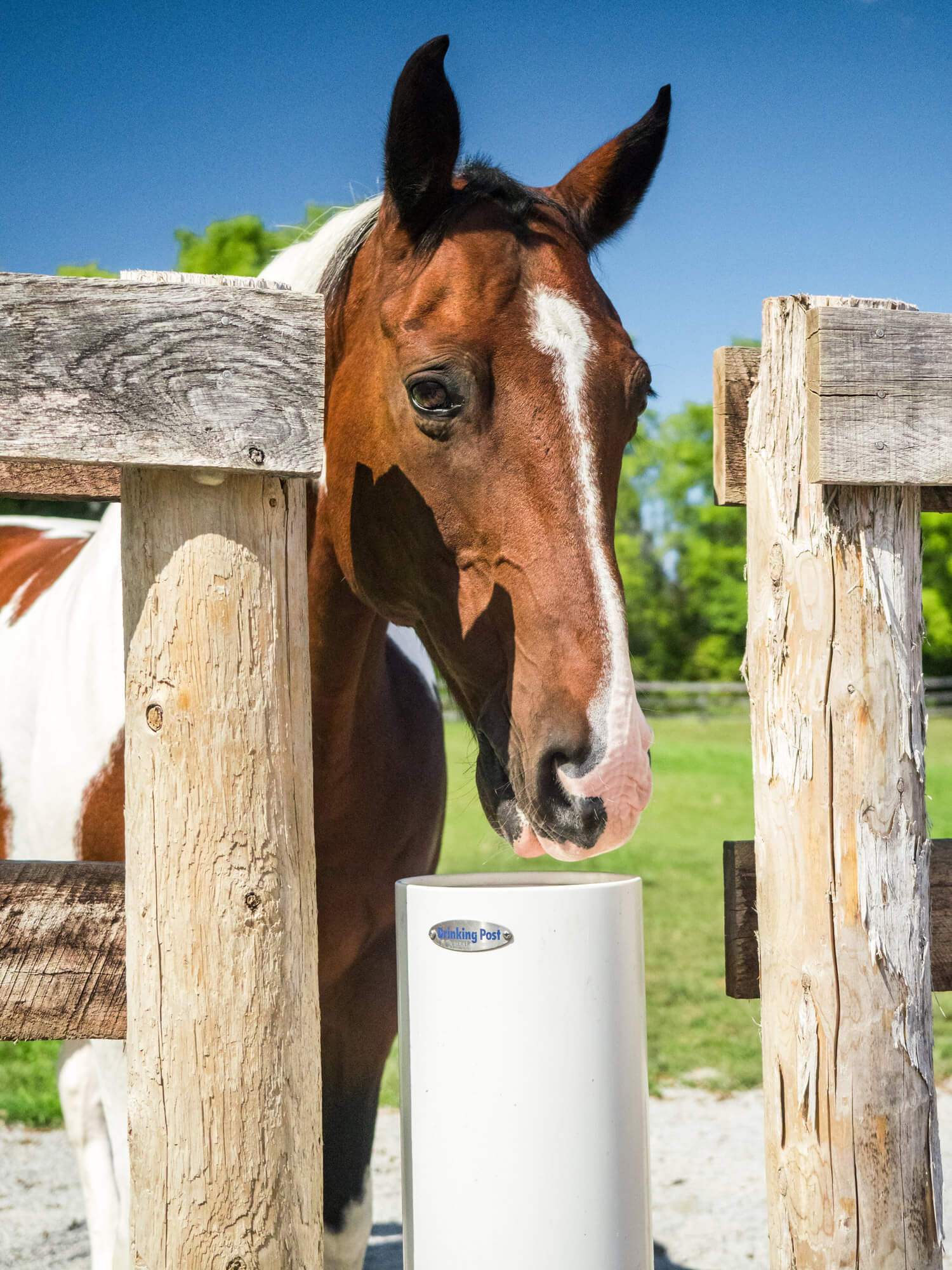
Reliable access to water becomes especially important when temperatures drop.
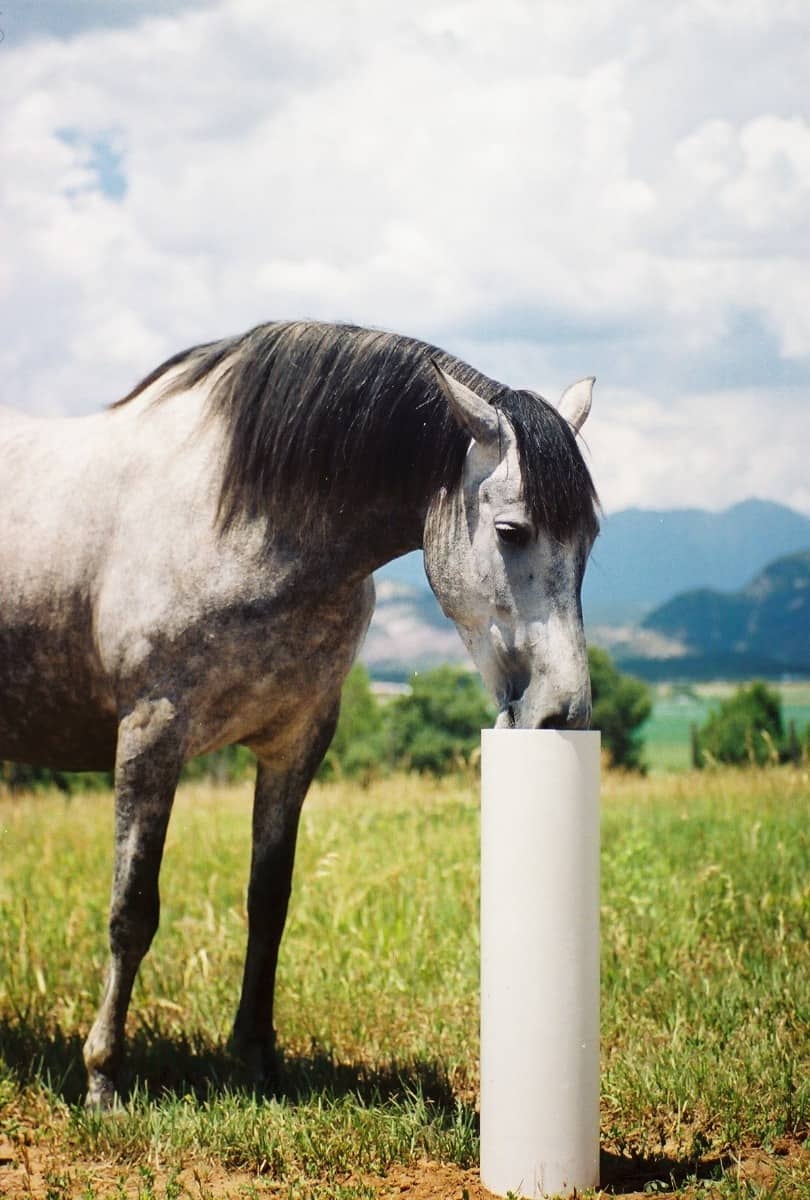
The Drinking Post Automatic Waterer is designed differently from a traditional trough or heated bowl. When a horse presses the paddle, fresh water is delivered from below the frost line. Once the paddle is released, unused water drains back below the frost line rather than remaining above ground.
Because the system does not keep a standing bowl of water exposed above ground, it can operate without a traditional electric heater when properly installed and draining correctly.
Even though the system is designed for cold climates, fall is still the right time to inspect it before freezing temperatures arrive.
Test the Paddle and Water Flow
Activate the Drinking Post several times.
Make sure:
- The paddle moves freely
- Water flows normally
- The valve closes properly
- Water drains away after use
Debris or a mechanism that does not fully close can interfere with proper drainage, so keeping the operating components clean and functional is an important part of winter preparation.
Pay Attention to Drainage
Drainage is one of the most important factors in cold-weather Drinking Post performance.
Because the system depends on water draining below the frost line after use, groundwater or poor subsurface drainage around the post can create problems.
Low-lying areas, heavy soils and locations affected by a high water table deserve additional attention heading into winter.
If you have noticed standing water around your Drinking Post after heavy rain, now is the time to investigate rather than waiting for a deep freeze.
Know Where Your Water Shut-Off Is
It is also worth confirming that everyone responsible for winter barn chores knows where the water supply can be shut off.
If troubleshooting is ever required during cold weather, being able to quickly isolate the water supply makes the process much easier.
For more detailed information about cold-weather operation and troubleshooting, see our Drinking Post Cold Weather Performance Guide.
8. Planning a New Drinking Post? Don’t Wait for Frozen Ground
If hauling buckets, breaking ice or maintaining heated troughs is already on your winter chore list, fall is an ideal time to consider upgrading your watering system.
Installing a Drinking Post requires excavation below the frost line, connection to a pressurized underground water supply and appropriate drainage below the unit.
Completing that work while the ground is still workable can make the installation considerably easier than waiting until winter has arrived.
Planning ahead means your system can be installed and ready before consistently freezing temperatures become part of the daily routine.
9. A Little Fall Maintenance Goes a Long Way
Winter tends to expose the weak spots around a farm.
Loose fencing, damaged gates, muddy entrances and watering problems are much easier to deal with on a mild fall afternoon than during a January snowstorm.
Before the season changes, take the time to:
- Walk your fence lines
- Complete necessary repairs
- Inspect gates and hardware
- Address high-traffic or muddy areas
- Test your Drinking Posts
- Check drainage around waterers
- Plan larger repairs or upgrades before the ground freezes
Preventative maintenance now can help keep paddocks safer, chores simpler and your farm better prepared for the months ahead.
10. Need Help Getting Your Farm Ready for Winter?
Whether you need fence repairs, new fencing, gate upgrades, mud-management solutions or a Drinking Post Automatic Waterer, the System Equine team can help you prepare your property for the season ahead.
Contact System Equine to discuss your fall fencing and watering projects before winter arrives.
System Equine — Your Equine Solutions Partner
Don’t forget to follow us on social media to see more of our work!