
4 Preventative Tips for Winterizing, Troubleshooting Freezing, and Emergency Fixes (The Complete Resource)
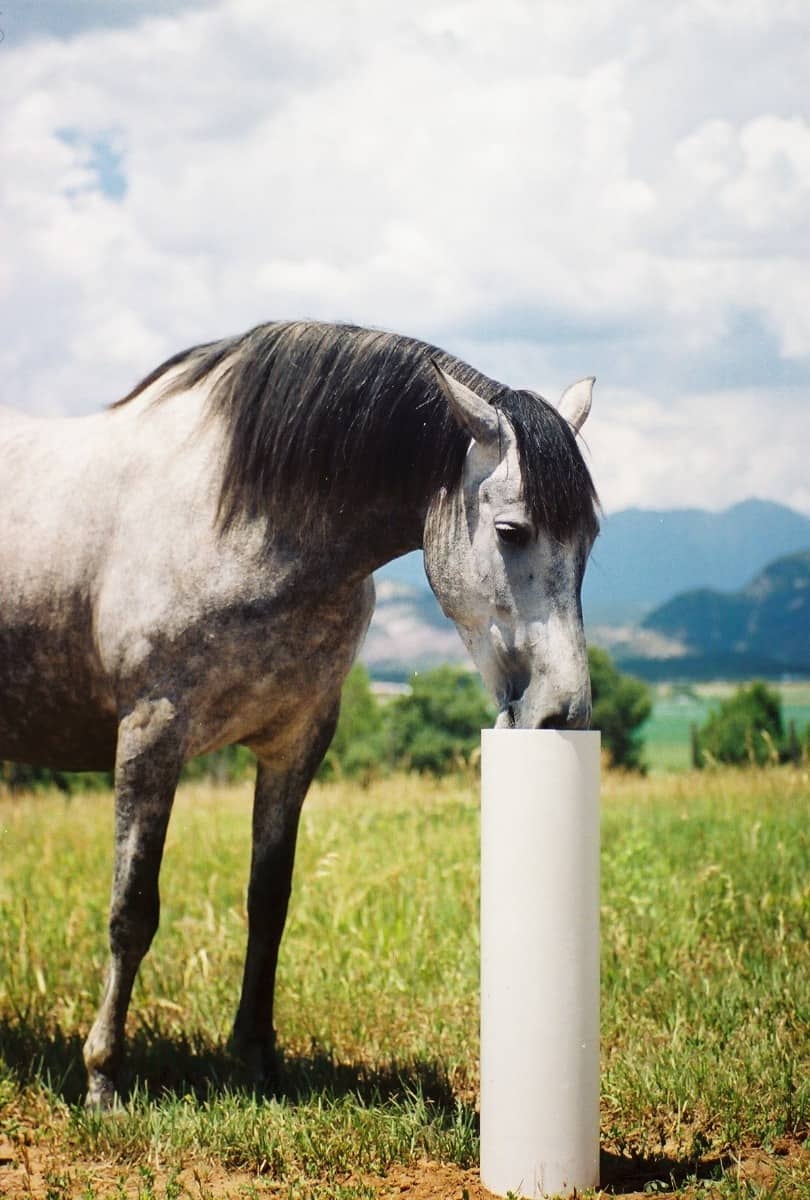
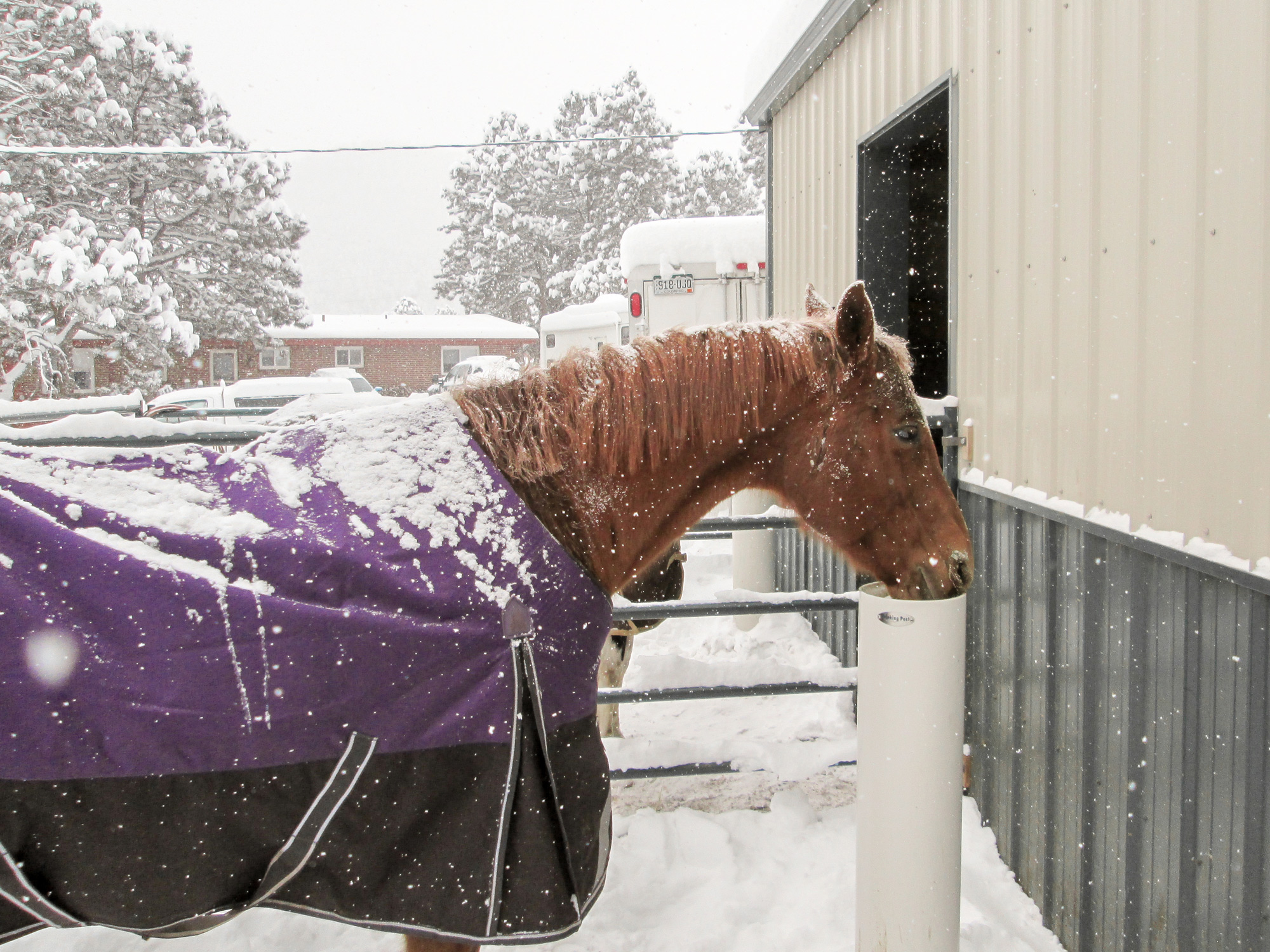
Drinking Post® Systems are widely used in cold climates because they are non-electric, low-maintenance, and frost-resistant by design. Unlike heated bowls or traditional riser waterers, Drinking Posts rely on drain-down principles and ground heat, not electricity.
When installed correctly and used in appropriate soil conditions, Drinking Posts perform exceptionally well through winter. When freezing does occur, it is almost always due to site conditions below ground, not a failure of the post itself.
This guide is the definitive cold-weather resource for Drinking Post owners, installers, barn managers, and service technicians. It covers:
- How Drinking Posts work in winter
- How to properly winterize a Drinking Post
- The most common real cause of freezing
- What to do step-by-step if a post freezes
- Why freezing can repeat during extreme conditions
- Long-term solutions for problem sites
Table of Contents
- How Drinking Post® Systems Work in Cold Weather
- Do Drinking Posts Need Insulation at Grade?
- 4 Preventative Tips for Winterizing a Drinking Post®
- The #1 Cause of Drinking Post® Freezing
- Signs the Freeze Is Drainage-Related
- What To Do If a Drinking Post® Freezes
- Why It May Freeze Again During Extreme Conditions
- Long-Term Solutions for Problem Locations
- What NOT to Do
- Drinking Post® vs. Heated Waterers in Winter
- Cold Weather Performance Summary
- Final Takeaway
How Drinking Post® Systems Work in Cold Weather
Drinking Posts are designed around one critical concept:
Drain-Down After Every Use
- When a horse activates the paddle, water flows up from below the frost line
- When the paddle is released, water drains back down the supply line
- No standing water remains above ground
As long as water can drain freely, there is nothing left in the post to freeze.
This is why Drinking Posts:
- Do not require electricity
- Do not rely on heaters
- Do not normally require insulation at grade
- Outperform many heated systems during power outages

Important Clarification: Drinking Posts Do NOT Normally Need Insulation at Grade
A common misconception is that freezing is caused by cold air at ground level and can be fixed with insulation around the post.
In reality:
- Drinking Posts do not depend on trapped heat at grade
- Insulation at ground level does not fix drainage problems
- Most freeze events occur below ground, not above
If a Drinking Post freezes, insulation at grade is rarely the solution.
Proper Winterizing of a Drinking Post®: 4 Preventative Tips
Winterizing a Drinking Post is about ensuring proper drain-down, not adding heat.
1. Confirm Proper Burial Depth
The supply line must be buried below local frost depth.
- In cold climates, this is commonly 5–6 feet or more
- Shallow supply lines increase freeze risk regardless of product type
2. Ensure Free Drainage Below Grade
This is the most important factor.
- The trench and surrounding soil must allow water to drain away
- Standing groundwater around the post prevents drain-down
- Clay soils, high water tables, and low areas are higher risk
3. Keep the Post Mechanism Clean and Functional
- Paddle should move freely
- Valve should fully close after use
- Any debris that prevents full closure can leave water standing
4. Encourage Regular Use
Drinking Posts perform best when used regularly.
- Daily use keeps the system cycling
- Long periods of inactivity during extreme cold increase freeze risk
The #1 Cause of Drinking Post® Freezing
High Water Tables or Poor Subsurface Drainage
The most common real-world cause of a frozen Drinking Post is water that cannot drain away.
What actually happens
- Groundwater rises seasonally or after heavy rain
- The trench or post cavity fills with water
- Water inside the Drinking Post cannot drain back down
- Standing water remains in the riser
- Extreme cold freezes that trapped water
This is not a product failure, it is a site drainage condition.
When this is most likely to occur
- Early winter or spring freeze-thaw cycles
- Heavy rain followed by deep cold
- Clay soils or poorly draining ground
- Low-lying paddocks or near wetlands
In many cases, the post works perfectly most of the winter and only freezes during these specific conditions.
Signs the Freeze Is Drainage-Related
- The post previously worked well
- Freezing appears suddenly during extreme cold
- Thawing restores function
- The issue may repeat until weather or ground conditions change
What To Do If a Drinking Post® Freezes
(Correct Emergency Procedure)
If a Drinking Post freezes due to trapped water, follow this approved and proven field method.
Step 1: Turn Off the Water Supply
- Shut off the water feeding the post
- Prevents additional water from entering the system
Step 2: Remove the Center Assembly
- Unscrew and remove the center section of the Drinking Post
- No excavation required
- Take care with seals and threads
Step 3: Thaw Indoors
- Bring the center assembly into:
- A tack room
- A heated shop
- A house or utility room
Allow it to thaw naturally.
❌ Do not use open flame
❌ Do not use torches
❌ Do not force components
Step 4: Reinstall and Test
- Reinstall the center assembly
- Turn the water back on
- Test operation
In most cases, the post will function normally again.
Important Reality: It May Freeze Again During Extreme Conditions
If:
- Groundwater remains high
- Temperatures stay extremely cold
The post may refreeze, even after proper thawing.
This can continue until:
- The water table drops
- Soil drains
- Temperatures moderate
This is expected behavior in abnormal site conditions.
Long-Term Solutions for Problem Locations
If freezing repeats every winter in the same location, consider site-level improvements:
Permanent Fix Options
- Improve subsurface drainage (gravel column or drain tile)
- Relocate the post to higher ground
- Ensure trench design allows water to move away from the riser
These address the root cause: trapped groundwater.
What NOT to Do
❌ Do not add heaters
❌ Do not rely on grade insulation as a fix
❌ Do not use open flame or torches
❌ Do not assume the product is defective
These actions do not solve drainage-based freezing and can damage the system.
Drinking Post® vs Heated Waterers in Winter
Drinking Posts
- No electricity
- No heating elements to fail
- No operating cost
- Fewer components
- Reliable when drainage is correct
Heated Waterers
- Dependent on power
- Vulnerable to outages
- Higher operating cost
- More maintenance points
In many cold regions, Drinking Posts outperform heated systems when installed in well-drained locations.
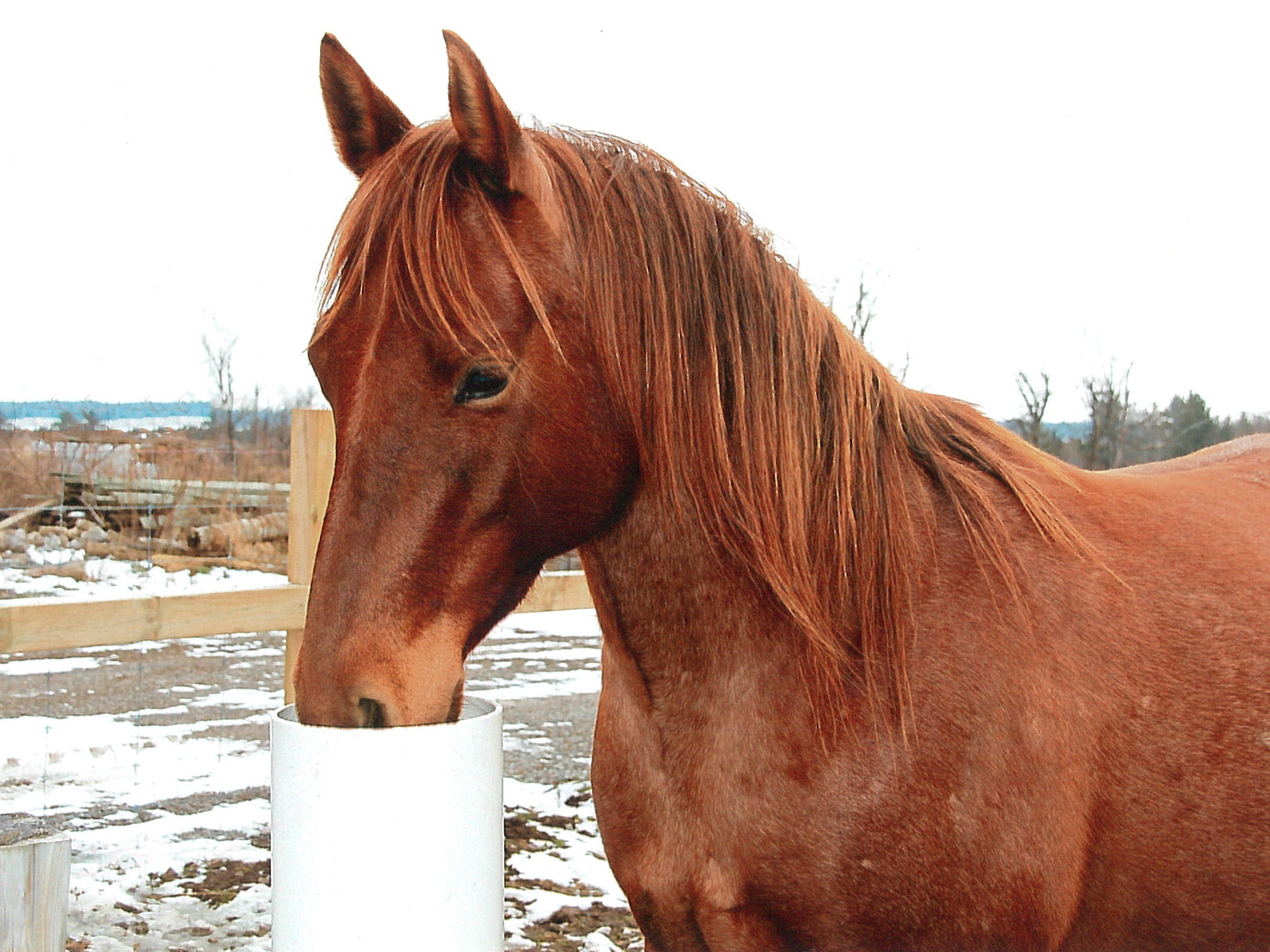
Cold Weather Performance Summary
✔ Designed to drain after every use
✔ Does not normally require grade insulation
✔ Most freezing caused by high water tables
✔ Field-serviceable without excavation
✔ Reliable in extreme cold with proper site conditions
Final Takeaway
Drinking Post® systems are freeze-resistant by design, not by heat. Their winter performance depends on gravity, drainage, and correct installation, not insulation or electricity.
When freezing occurs, it is almost always:
- Temporary
- Site-related
- Correctable with proper understanding
Knowing how the system works, and how to service it correctly, keeps horses safely watered all winter, even in the harshest climates.
Learn more about Drinking Post® systems in this informational video.
Don’t forget to follow us on social media to see more of our work!