
Design, Drainage, Storage, Lighting, and Long-Term Durability
A well-designed horse wash bay is one of the most used (and most abused) spaces in a barn. It deals with water, mud, soap, heat, cold, horses that move unpredictably, and people working quickly. When designed properly, a wash bay improves horse safety, hygiene, efficiency, and longevity of the barn itself. When designed poorly, it becomes slippery, dark, hard to clean, and expensive to fix later.
This guide covers best practices for building a professional-grade horse wash bay, with special attention to water management, lighting, storage, and durability . All critical factors that are often overlooked.
1. Location & Size: Start With Function
Ideal Placement
- Close to stall areas, but separated from traffic aisles
- Easy access from turnout or arena
- Not directly adjacent to feed rooms or tack rooms
Recommended Size
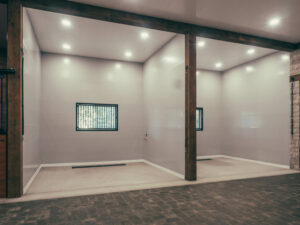
- Single wash bay: Minimum 10’ x 12’
- High-end or commercial barns: 12’ x 14’ or larger
- Ceiling height: Minimum 10’, ideally 12’+ for ventilation and lighting
A cramped wash bay increases risk, as horses need room to stand square and handlers need room to move safely.
2. Flooring & Drainage: The Most Critical Element
Flooring Requirements
Wash bay floors must be:
- Non-slip (wet and soapy)
- Durable under constant moisture
- Easy to clean
- Comfortable for horses to stand on
Best options include:
- Textured poured concrete with a rubber overlay
- Heavy-duty interlocking rubber pavers designed for wet environments
- Specialized wash-bay rubber flooring with drainage channels
Avoid smooth concrete or standard stall mats, as both can become dangerously slippery.
Drainage Done Right
Did you know that poor drainage is the #1 failure point in wash bays? To help mitigate risk, follow the guidance of the following best practices!
Best practices:
- Floor slope: 1–2% toward drain
- Use trench drains located at the back of the stalls about 6” from the back wall
- Connect drains to proper plumbing – never just “out the wall”
- Include hair traps to prevent clogging
A wash bay should dry quickly after use. Standing water shortens the life of everything around it.
3. Walls & Surfaces: Built for Water, Not Decoration
Wash bay walls take constant abuse from:
- Water
- Soap and chemicals
- Kicks and rubs
- Equipment impact
Best Wall Materials
- PVC wall panels or HDPE sheets
- Sealed concrete or masonry
- Composite wall systems designed for wet areas
Avoid:
- Untreated wood
- Drywall
- MDF or decorative panels
Walls should extend at least 4–5 feet high with water-resistant material. In premium builds, full-height wash-down walls are ideal.
4. Lighting: Bright, Shadow-Free, and Waterproof
Lighting is often underestimated in wash bays. It should be held as a top priority, as it directly affects horse behavior and worker safety.
Lighting Requirements
- Bright, even illumination (no dark corners)
- No glare that reflects off water
- Waterproof / wet-location rated fixtures
- High CRI lighting so you can actually see coat condition and injuries
Recommended Setup
- LED fixtures rated IP65 or higher
- 4000–5000K neutral white light
- Overhead lighting combined with side lighting to eliminate shadows
- Fixtures mounted out of splash zones
Good lighting keeps horses calmer and people safer.
5. Water Delivery & Temperature Control
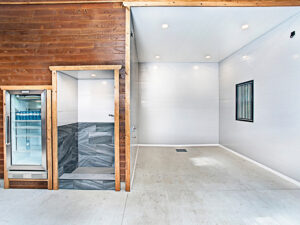
Hose & Plumbing Setup
- Hot and cold water with anti-scald mixing valves
- Commercial-grade hoses rated for hot water
- Recessed or protected hose reels to avoid clutter
Water Temperature
- Ideal wash temperature: lukewarm (not hot)
- Insulated plumbing lines in cold climates
- Frost-free hose bibs where applicable
A comfortable wash experience keeps horses relaxed and encourages proper hygiene.
6. Storage & Organization: Designed for Wet Environments
Wash bays are a wet environment, which means standard shelving and baskets can fail quickly.
Smart Storage Solutions
- Powder-coated steel or stainless steel baskets
- Wall-mounted, slotted baskets for airflow and drainage
- Individual baskets for:
- Shampoos
- Sponges
- Brushes
- Leg wraps
- Towels
Key Design Rules
- Nothing should sit on the floor
- Storage should allow items to dry quickly
- Avoid wood shelves, as they rot and harbor bacteria
Well-organized wash bays save time and prevent cross-contamination between horses.
7. Cross-Ties, Safety & Hardware
The right hardware can make all the difference.
Cross-Ties
- Use breakaway cross-ties
- Mount to reinforced walls or structural posts
- Height appropriate for horse size
Hardware
- Stainless steel or hot-dip galvanized hardware only
- No sharp edges or exposed fasteners
- Rounded corners wherever possible
Every piece of hardware should be chosen assuming that it will get wet daily.
8. Ventilation & Moisture Control
Wash bays produce humidity. Without proper ventilation, you’ll get:
- Mold
- Rust
- Odors
- Premature material failure
Best Practices
- Dedicated exhaust fan rated for wet areas
- High ceilings with air movement
- In cold climates, controlled ventilation to avoid freezing
Dry air = longer-lasting barn.
9. Heating (Optional, but Valuable)
In colder climates, heated wash bays dramatically improve usability.
Options include:
- Radiant floor heating
- Overhead infrared heaters (rated for wet areas)
- Warm air systems with moisture control
Heated floors are especially beneficial, as they can help water evaporate faster and improve horse comfort.
10. Designing for the Long Term
A professional wash bay should:
- Handle daily use for decades
- Be easy to clean
- Reduce labor
- Protect horses and people
- Match the overall quality of the barn
Cutting corners in a wash bay almost always leads to retrofits, safety issues, and higher long-term costs.
Final Thoughts: Build It Once, Build It Right
The best wash bays feel:
- Bright
- Calm
- Organized
- Safe
- Easy to use
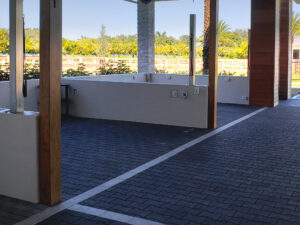
They respect the reality that water is relentless , and design around it with proper flooring, drainage, lighting, and storage.
If you’re investing in a quality barn, the wash bay deserves the same level of planning as stalls, aisles, and arenas. Done right, it becomes one of the most valuable spaces in your facility.
Don’t forget to follow us on social media to see more of our work!